Faust Gallery
Charles Supplee
Contemporary Hopi Jeweler · 1959–2021

Image of Charles Supplee
Charles Supplee was one of the greatest jewelers and artists of his generation—a master not only of contemporary Hopi jewelry but of color theory, which he commanded with rare sophistication, and a multi-talented artist who moved fluidly across mediums, from pottery and sculpture to painting. Born in Flagstaff, Arizona, in 1959 to a Hopi mother and a French father, he grew up on the Navajo reservation, where his father taught school. It was his father—a jeweler by hobby—who first taught Charles to work in silver at home, planting the seed of a remarkable career.
As Charles grew in skill and recognition, his work caught the attention of Pierre Touraine, the award-winning French jewelry designer. In the 1980s, Touraine took Charles on as an apprentice for two years, and it was there that he mastered the variety of techniques—including the fine diamond setting—that would define his work for the rest of his life. Charles was known for a contemporary jewelry style: wearable art made for the wearer to enjoy, balancing simplicity, elegance, and Hopi cultural motifs such as the corn design.
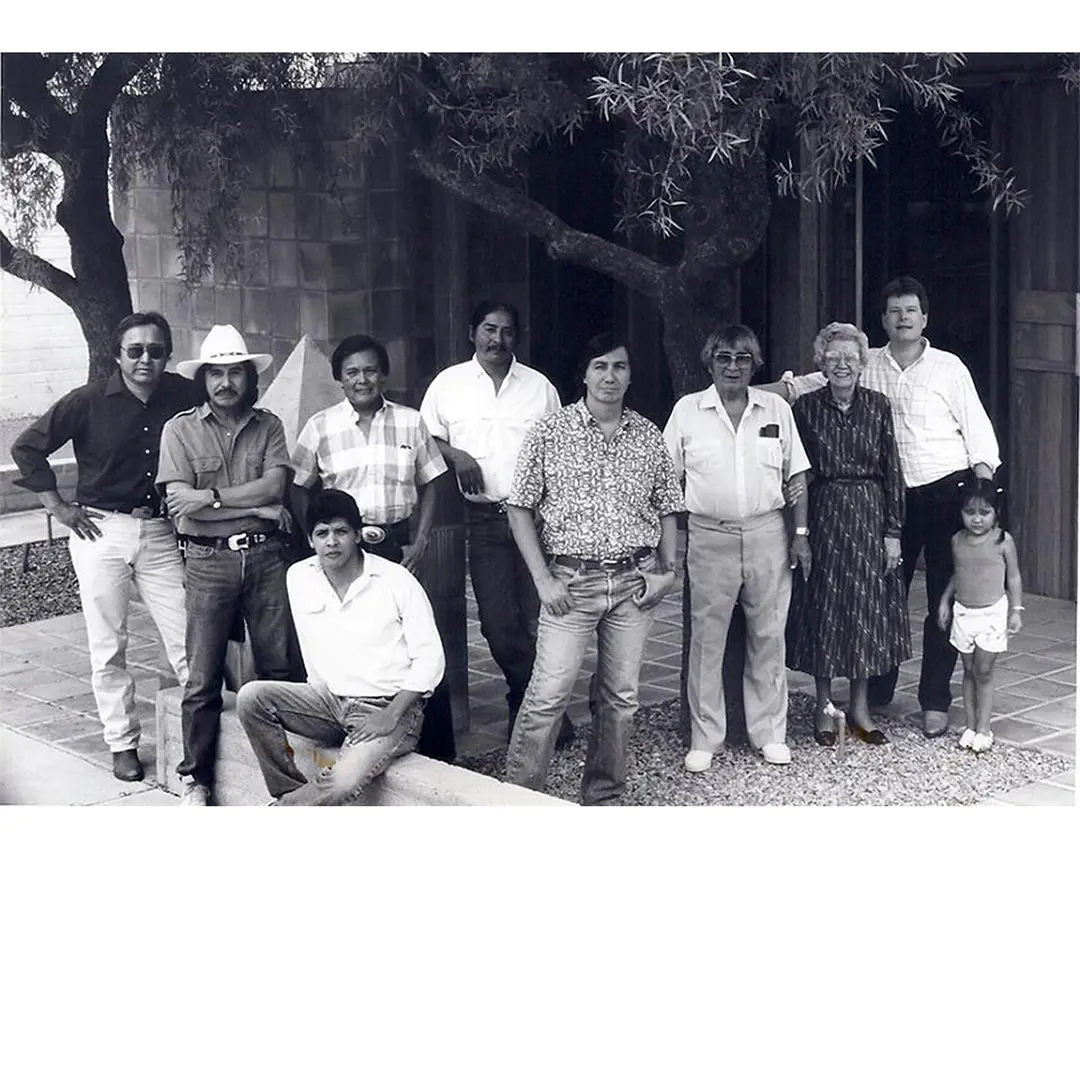
Group image taken by Georgia Loloma
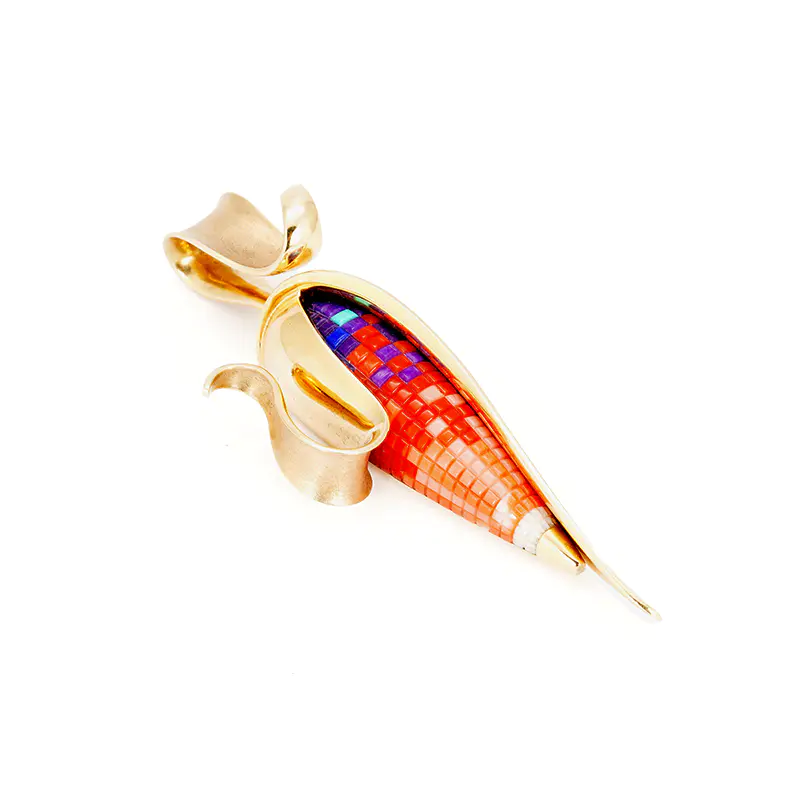
Gold multi-inlaid corn pendant
His talent seemed without limit. Beyond the jeweler's bench, Charles was an accomplished potter, sculptor, painter, and photographer—each medium informing the others, and all of them united by his extraordinary eye for color and form. His influence shaped the next generation of his own family: his younger brother, Don Supplee, took up jewelry making after watching Charles work, and went on to become a noted jeweler in his own right.
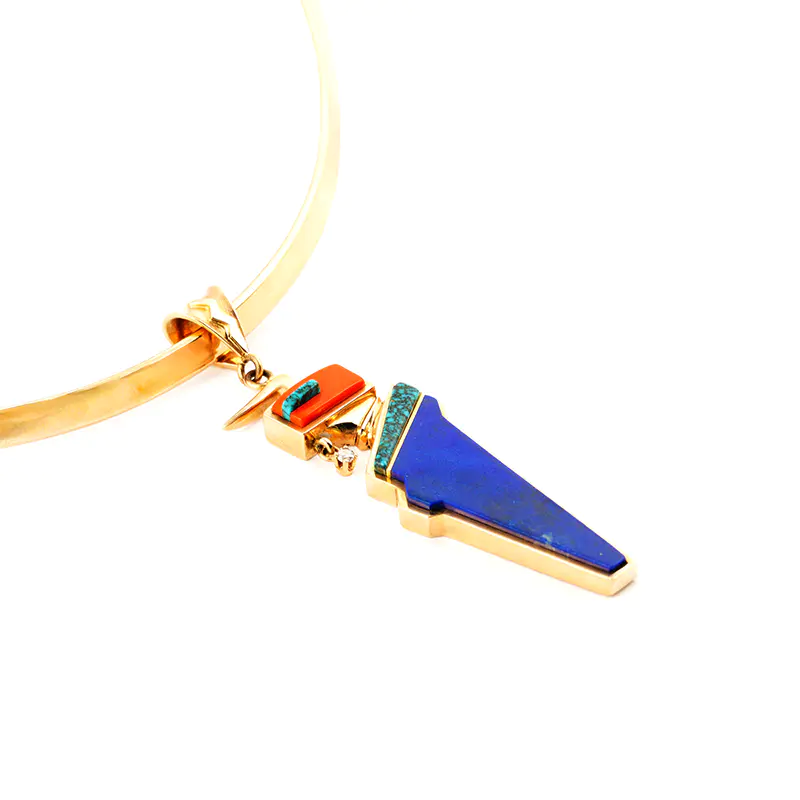
Charles Supplee gold Stylized Kachina figure pendant on choker
Charles's jewelry has been published in many important books, including Beyond Tradition by Jerry and Lois Jacka, Art of the Hopi, Southwestern Indian Jewelry by Dexter Cirillo, and North American Indian Jewelry and Adornment by Lois Dubin. He passed away in 2021, leaving behind a body of work treasured by collectors around the world—and a legacy of innovation that helped carry Hopi jewelry into the contemporary fine-art world.
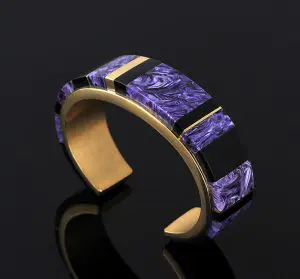
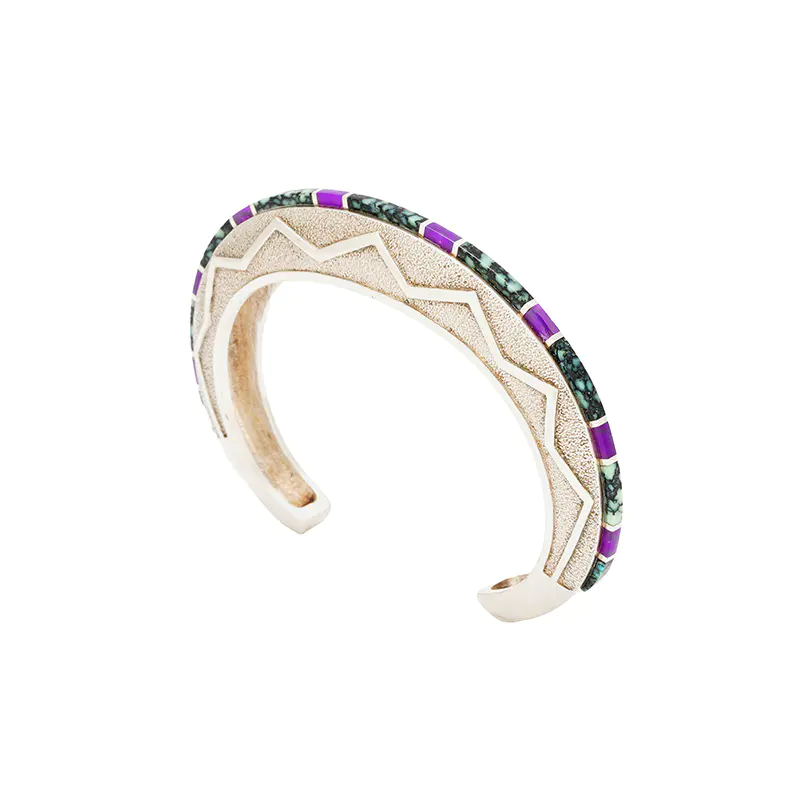
Gold bracelet by Charles Supplee set with charoite and obsidian
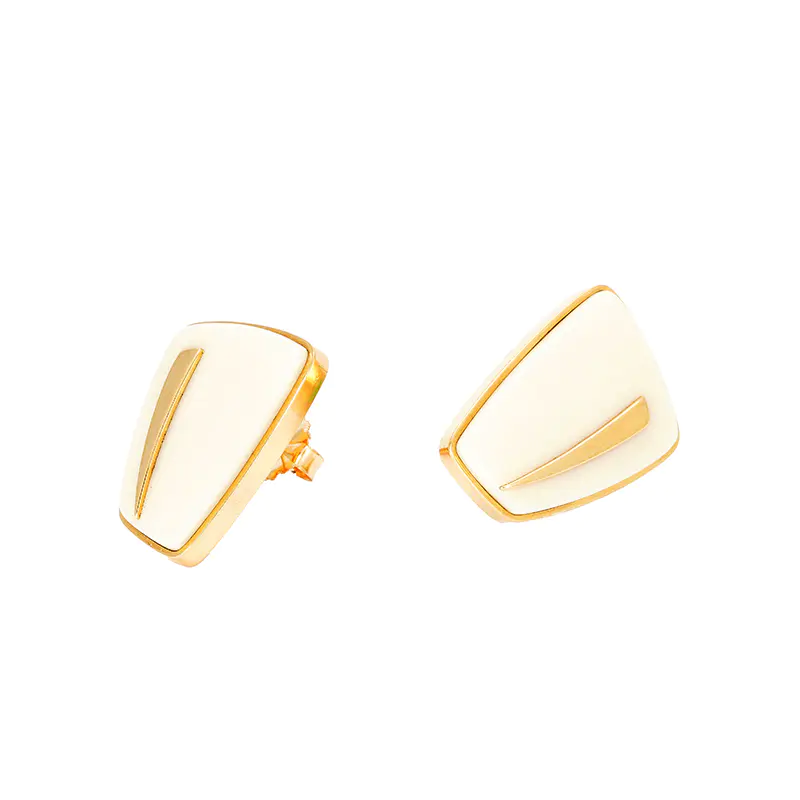
Gold earrings set with White Coral
Across gold and silver, stone and pigment, lens and clay, Charles Supplee brought the same discipline and the same love of beauty to everything he touched—an artist whose range was matched only by his refinement.
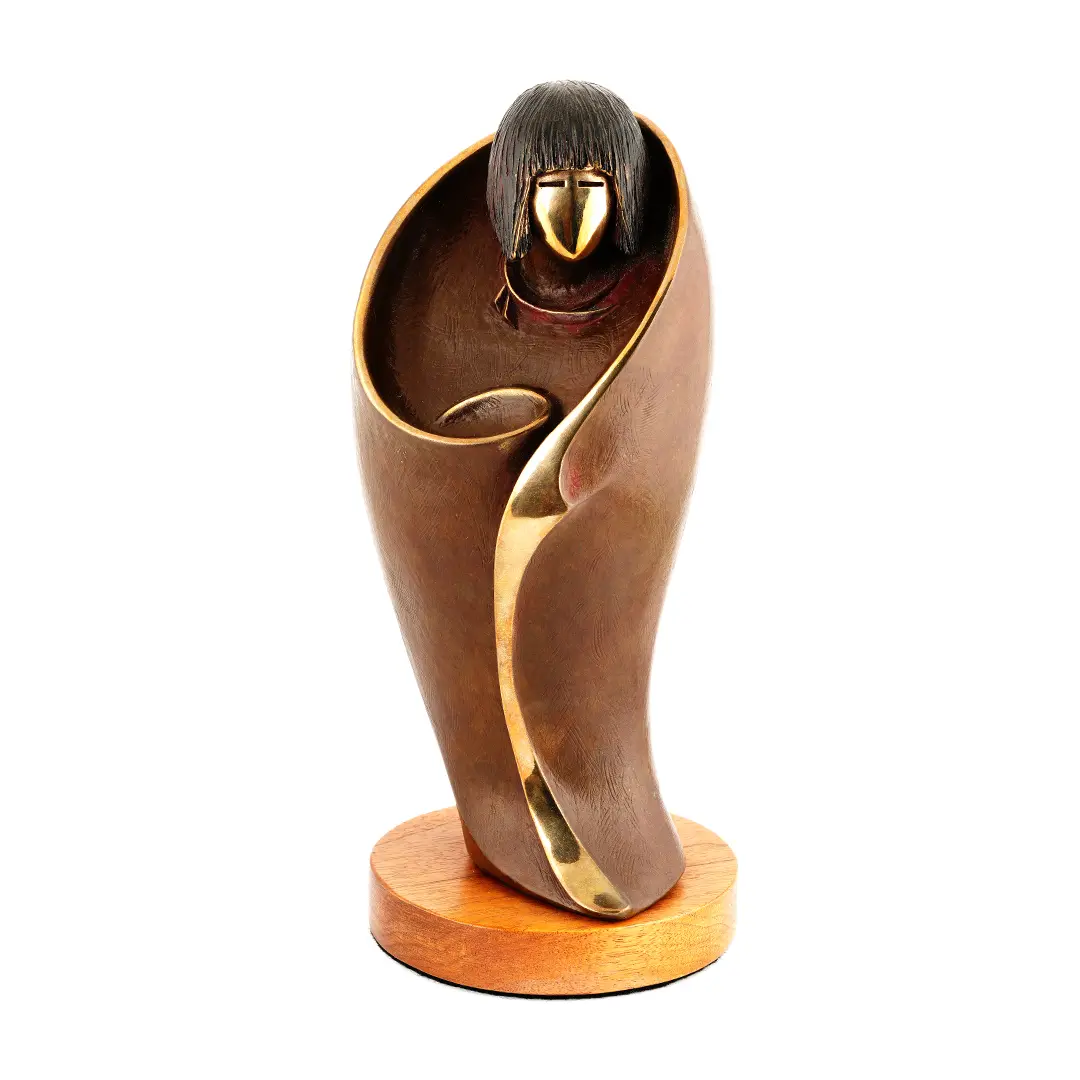
Al Qoyawayma and Charles Supplee bronze
A Personal Remembrance
One of my favorite photographs, from around the 1980s, shows two of the greatest jewelers of all time together: Charles Supplee and Pierre Touraine. Charles was known for his contemporary Hopi jewelry, and it was Pierre who helped him advance his techniques. My great aunt, Lovena Ohl, worked with Pierre for over five years. Charles wasn't the only artist who worked with Pierre—so did other master jewelers like Charles Loloma, Harvey Begay, and Larry Golsh.
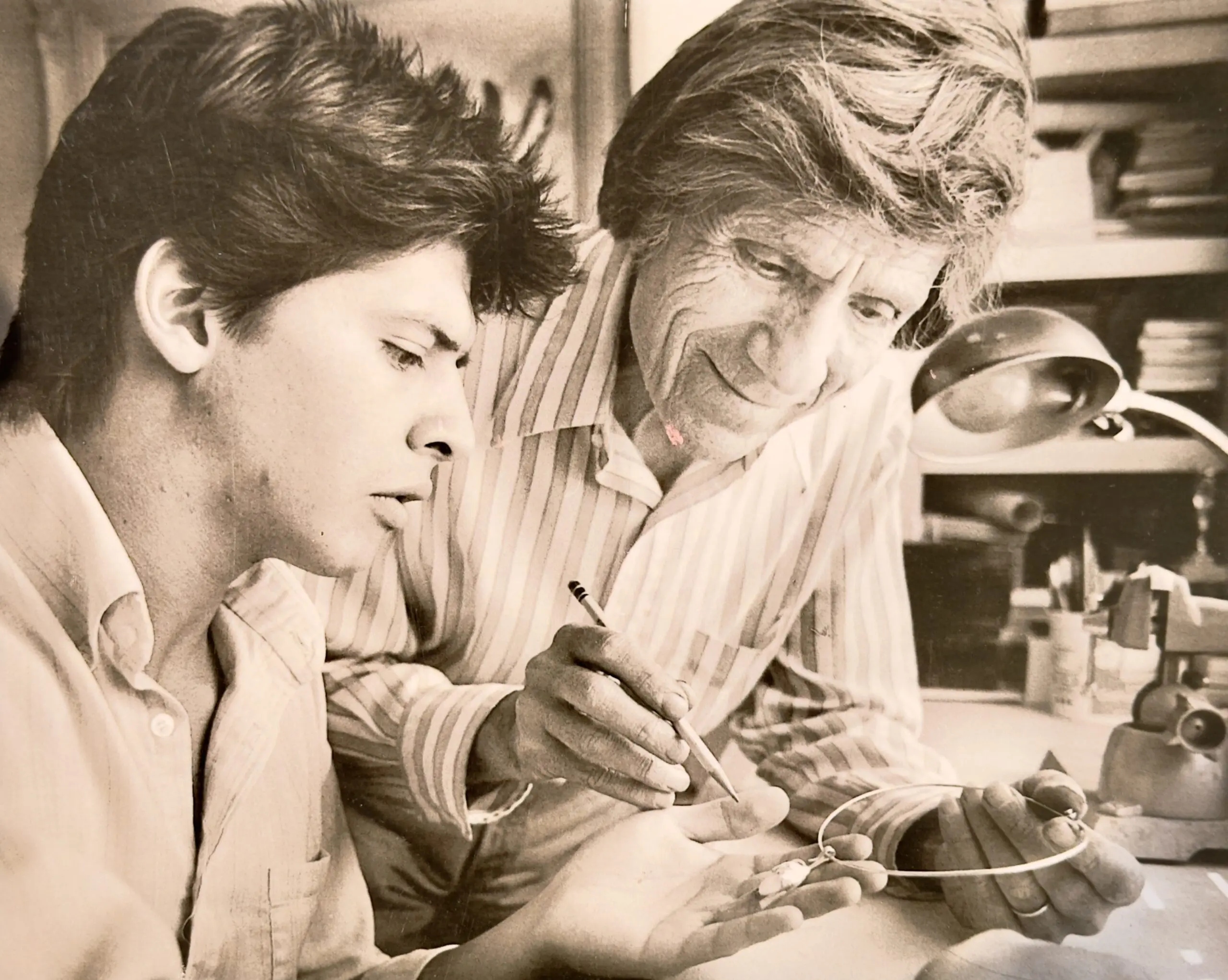
Supplee & Touraine 1980s
During the 1930s, Pierre Touraine gained fame making jewelry for European celebrities in France. In 1938 he relocated to the United States and worked for Harry Winston, and his passion for Southwestern American Indian jewelry eventually led him to Arizona. Touraine had a profound influence on me, inspiring me to collaborate with the finest American Indian jewelers—a legacy I continue to uphold to this day. We met Charles through that world, he began showing his jewelry in the gallery, and we were proud to represent him.
What many people never knew is that one of Charles's great passions was photography. We once mounted a one-time exhibition devoted entirely to his photographic work, and it was a tremendous success. In a way that still moves me, Charles never took photographs again after that single show—as though he had said, in that one exhibition, everything he wanted to say in that medium. It remains one of my most cherished memories of working with him.
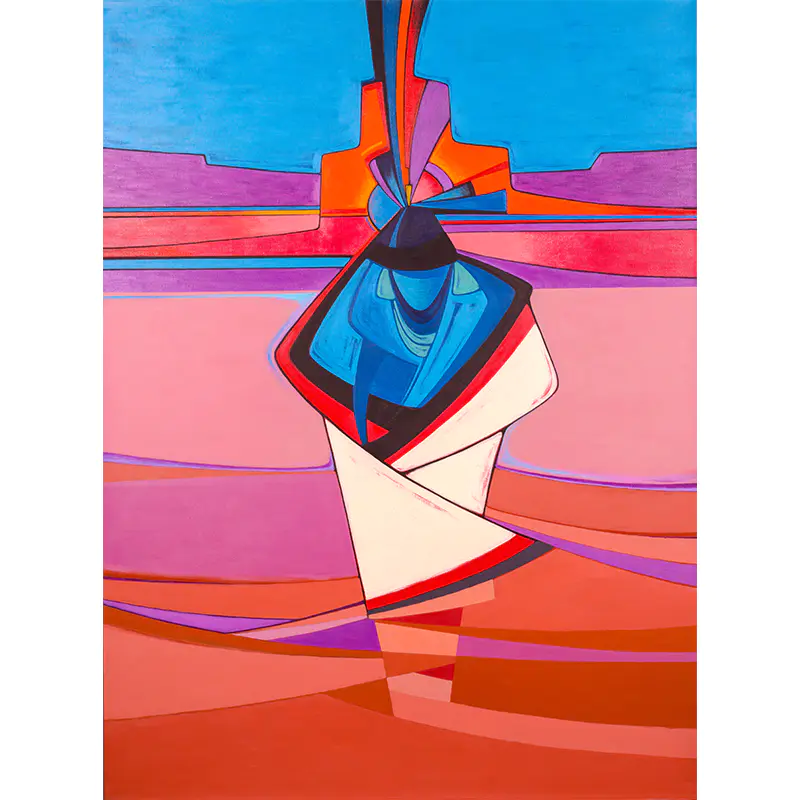
Charles Supplee
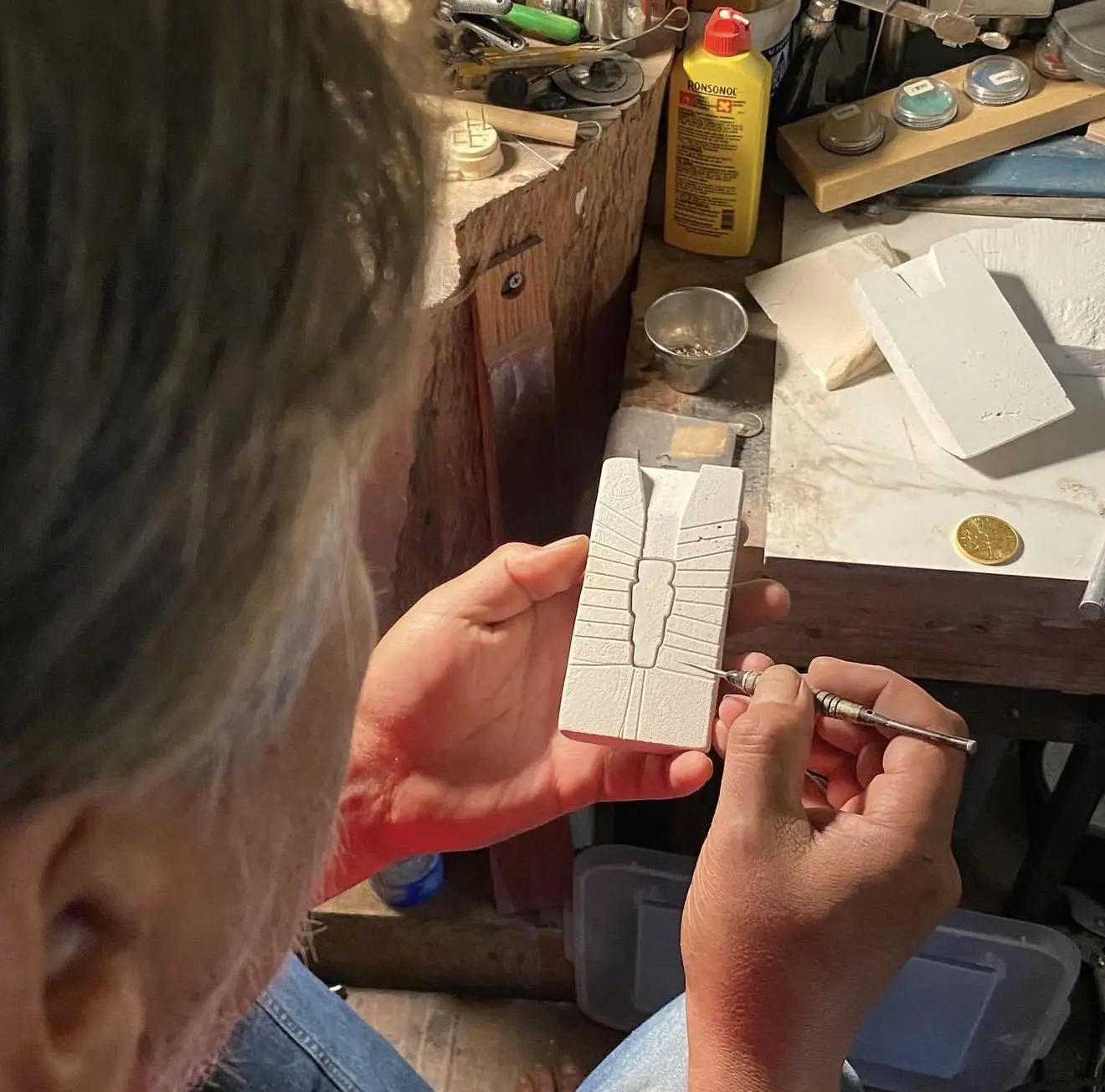
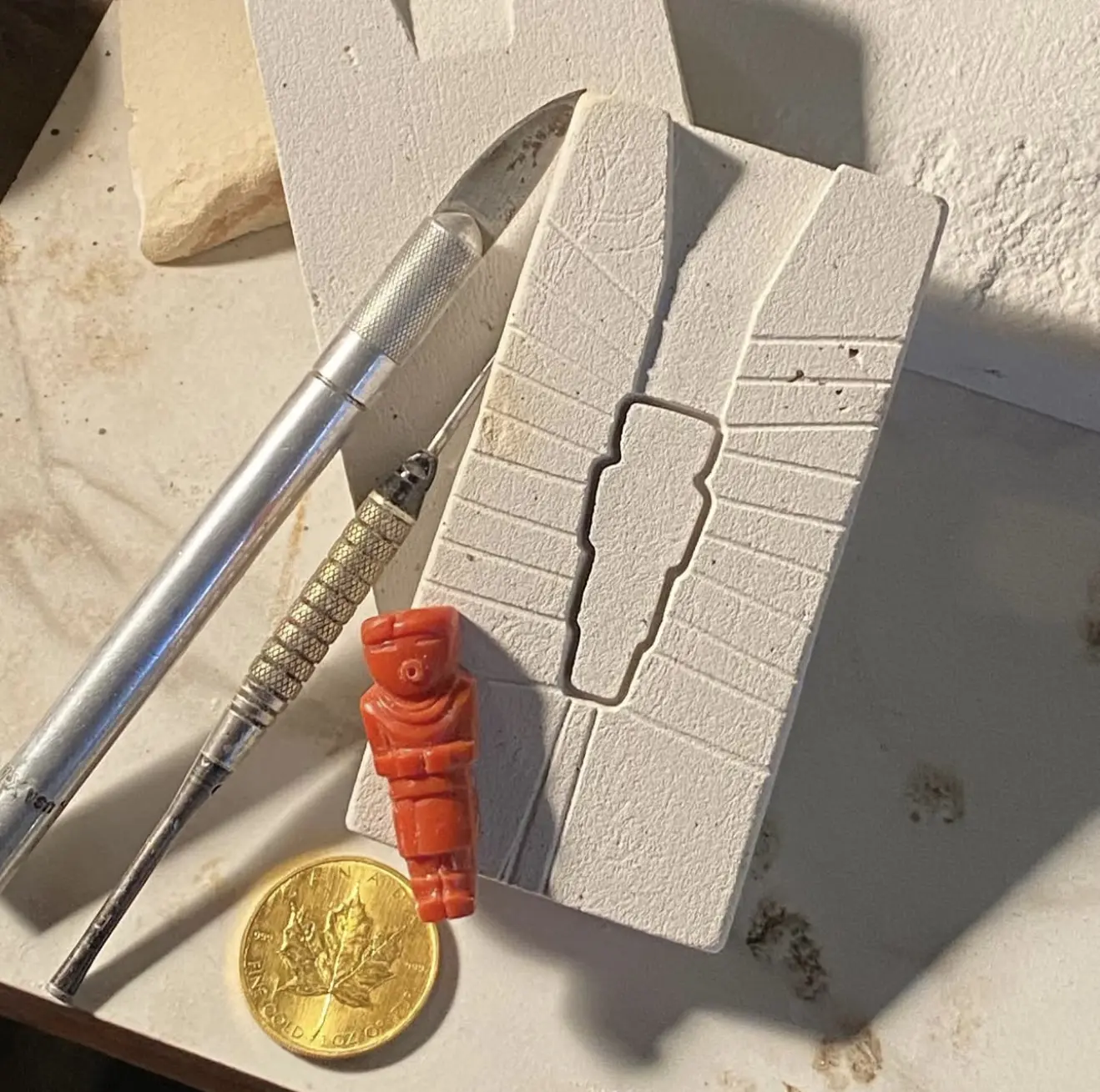
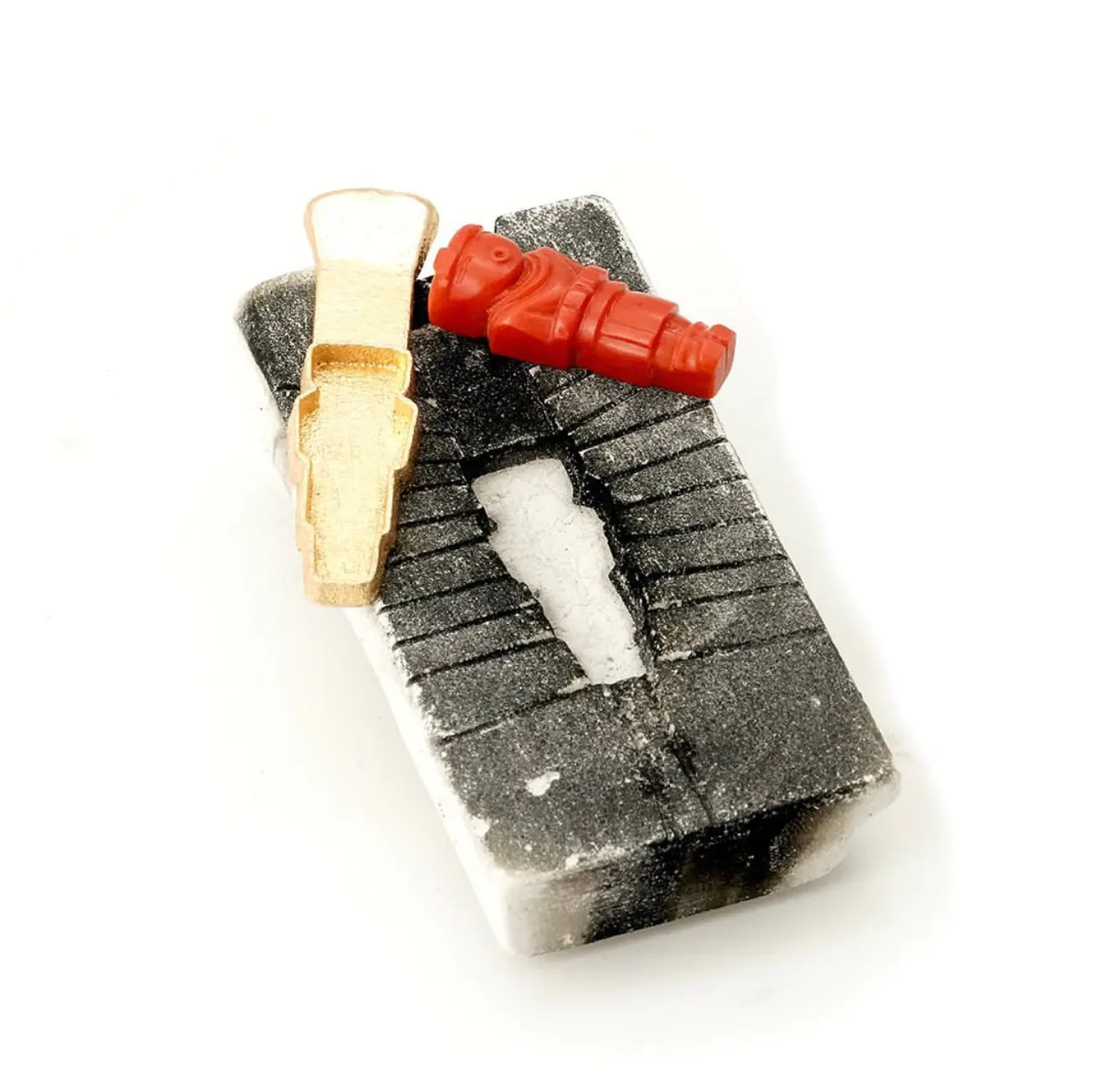
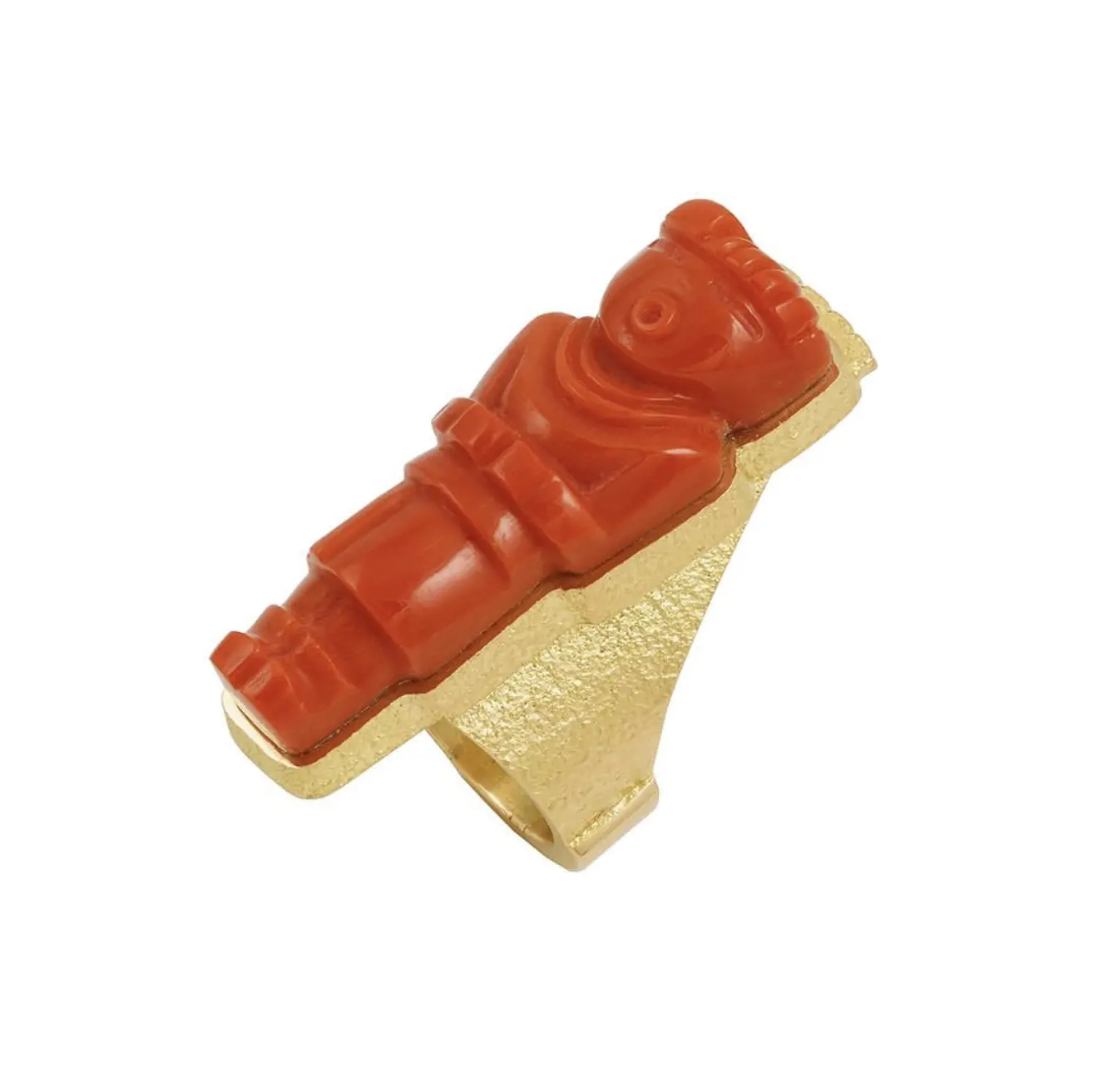
I spent many afternoons at Charles's studio, watching him work. One in particular has stayed with me. He was building a piece for a gallery client—an 18-karat gold tufa-cast ring crowned with a hand-carved Hopi Kachina figure in Mediterranean coral—and I watched it come to life from nothing. He began with a piece of raw volcanic rock, carving the ring's design directly into the stone. Then he melted down gold coins and cast the form in 18-karat gold. Finally, he set the carved coral Kachina into place. Even now, I have never met another artist who could carve stone the way Charles did. He will always be remembered for his contemporary designs.
— Michael Faust