Faust Gallery
Bo Monongye
Jeweler & Designer · Navajo
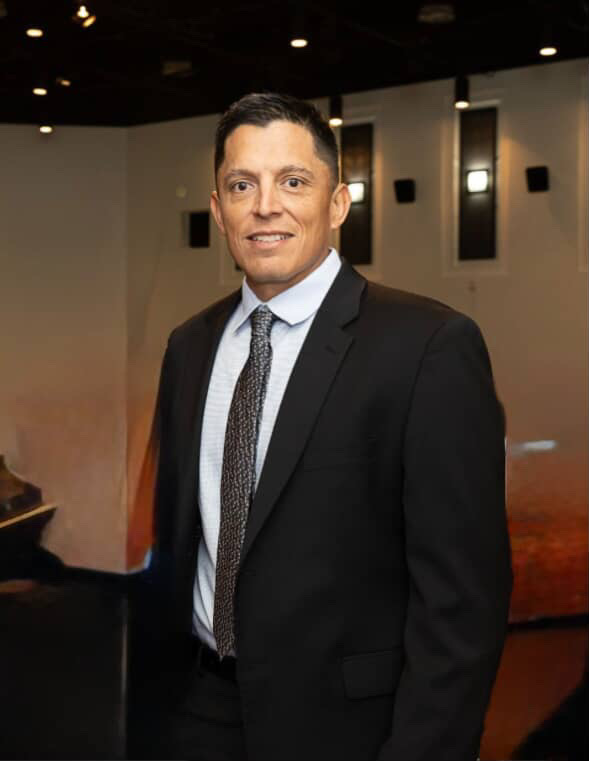
Bo Monongye
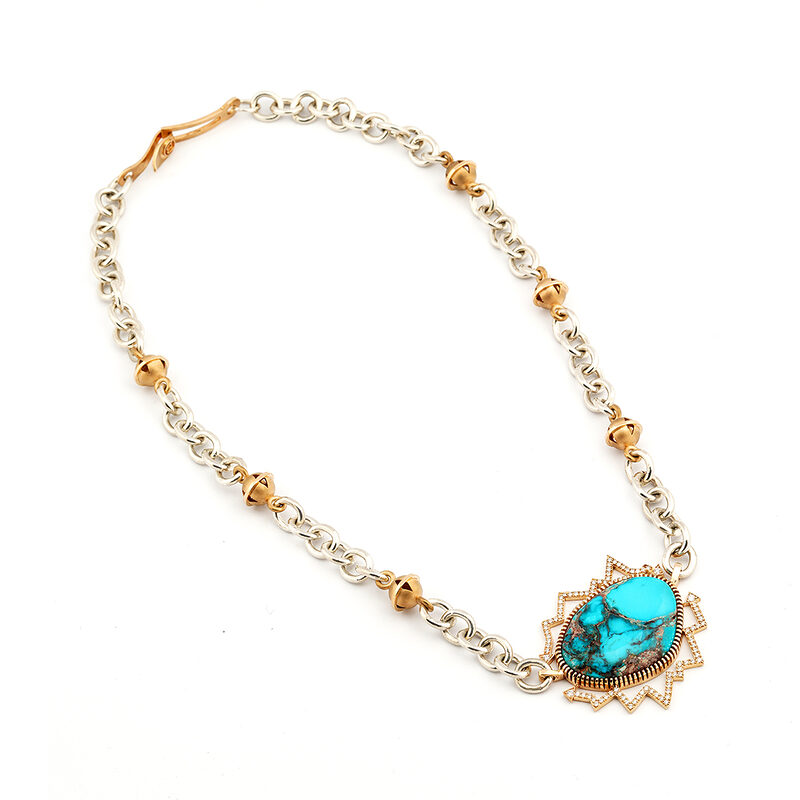
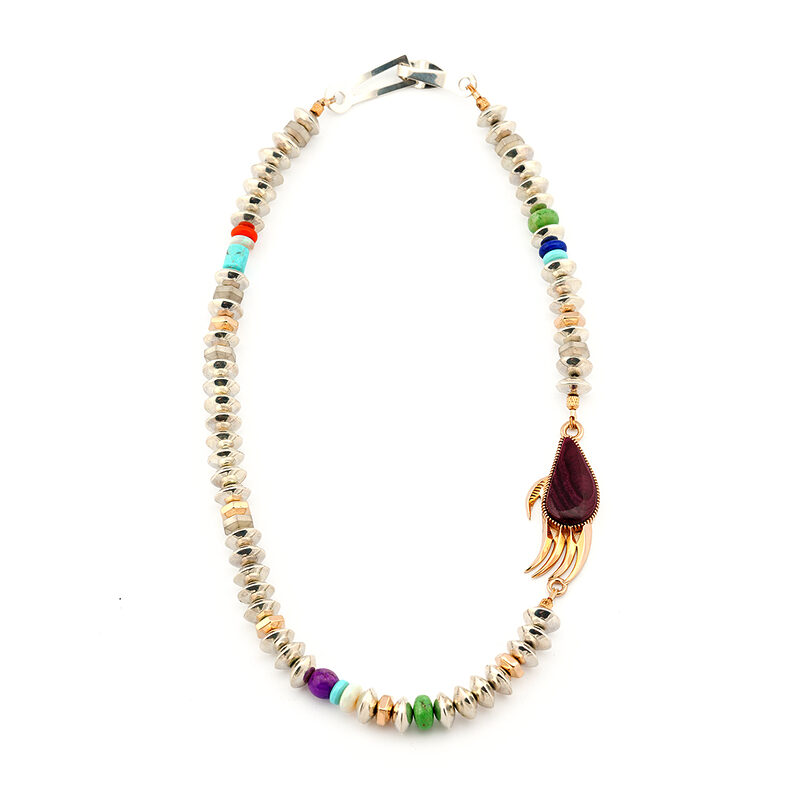
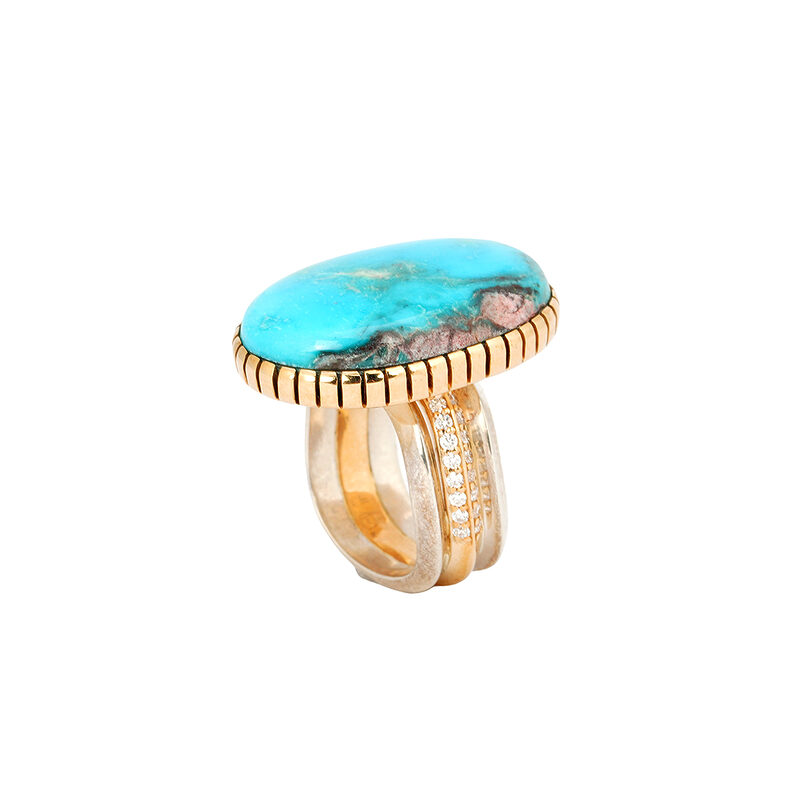
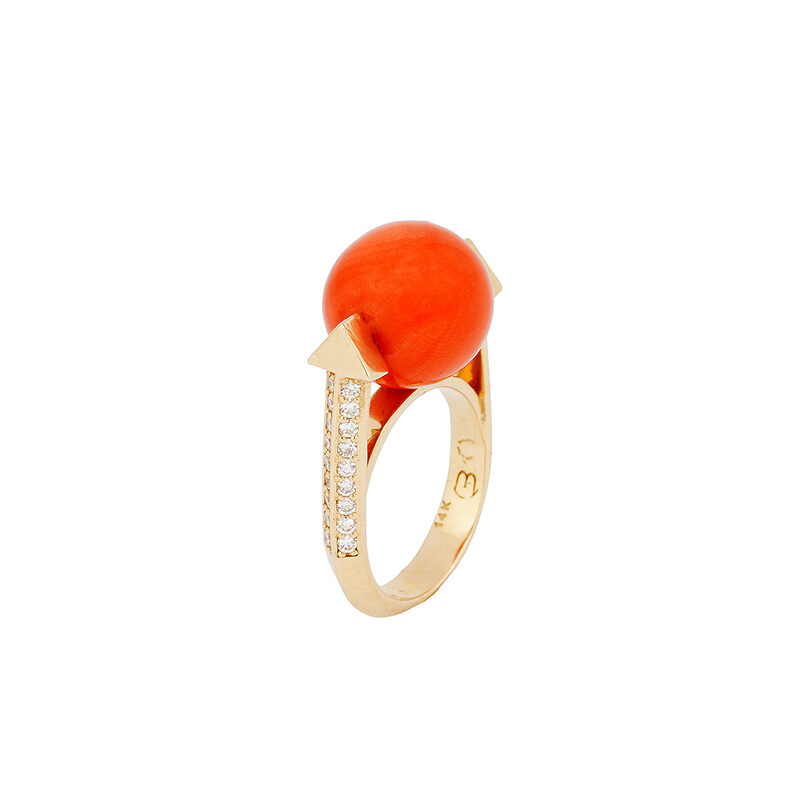
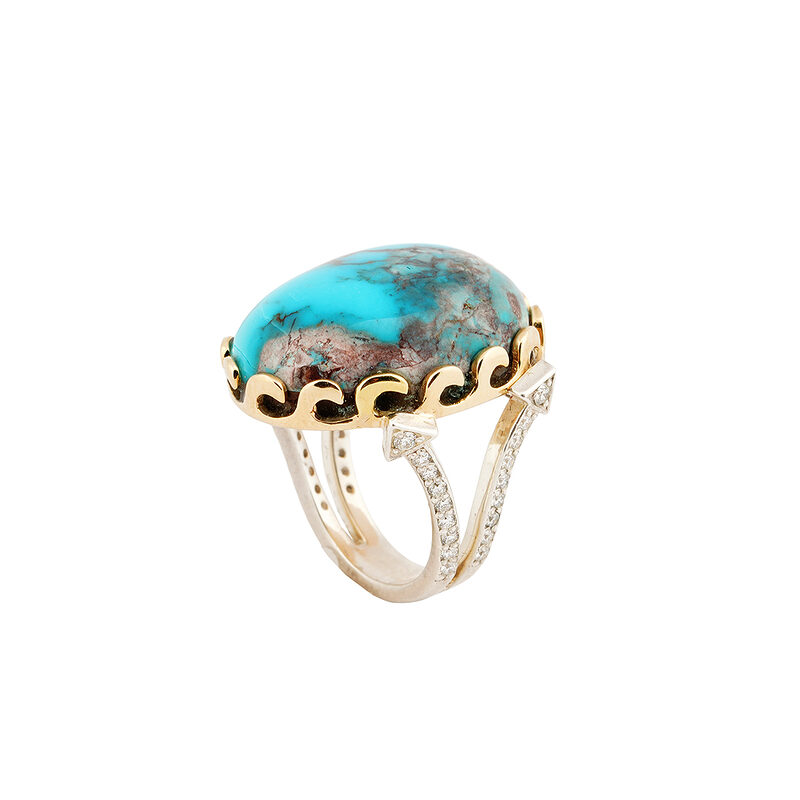
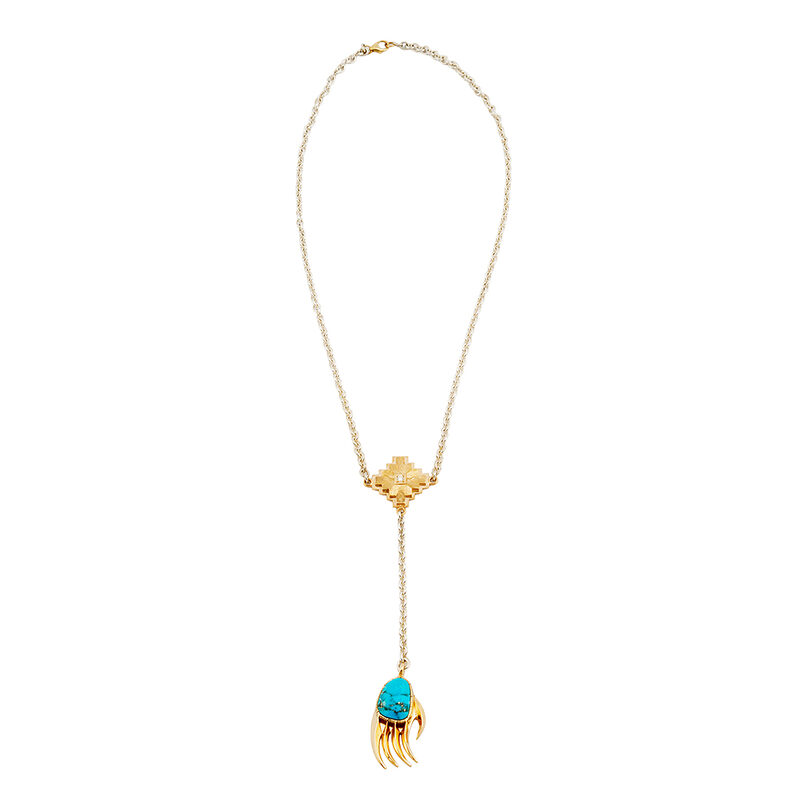
His pieces pair sterling silver with 14k gold and set fine stones—sugilite, lapis, turquoise, coral, and opal—with a clean, modern eye. The bear, a recurring figure in his father’s work, appears in Bo’s jewelry too, reinterpreted in gold. Each piece is signed with his stylized “BO” hallmark.
Three Generations
Preston Monongye (1927–1987) was raised at Hotevilla on the Hopi Third Mesa and became one of the defining jewelers of the 1960s and ’70s. Alongside Charles Loloma, he helped modernize Native jewelry—pioneering textured tufa casting and bringing inlay into Hopi work. “If you can progress without hurting your tradition or your religion,” he said, “you should do so.”
Jesse Monongya (1952–2024), Navajo and Hopi, was raised by his Navajo family near Two Grey Hills, New Mexico, and first met his father, Preston, at age 21. Working mostly in 18k gold, he became known for intricate stone-to-stone inlay—night skies, constellations, and bears drawn from his grandmother’s stories. His work won Best of Jewelry at Santa Fe Indian Market in 1995 and is held by the Smithsonian’s National Museum of the American Indian, the Heard Museum, Cooper Hewitt, and the Denver Art Museum.
Bo Monongye is Jesse’s son, carrying the family’s standard of craftsmanship and its spirit of innovation into a third generation.
Family Timeline
- 1927 Preston Monongye born; raised at Hotevilla, Third Mesa, Hopi
- 1952 Jesse Monongya born; raised near Two Grey Hills, New Mexico
- 1987 Preston Monongye dies
- 1995 Jesse Monongya wins Best of Jewelry, Santa Fe Indian Market
- 2024 Jesse Monongya dies