





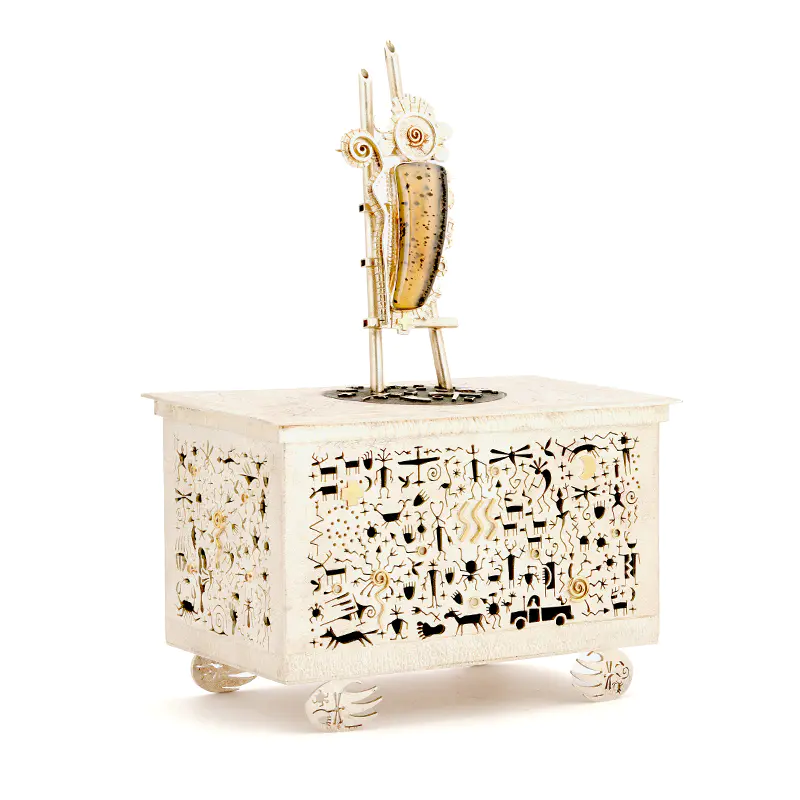
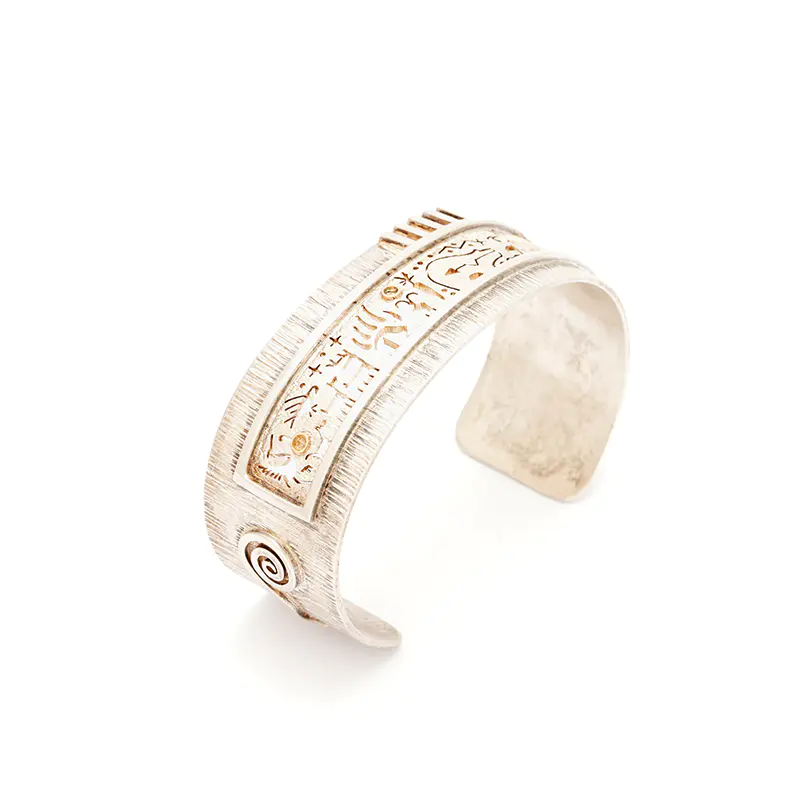
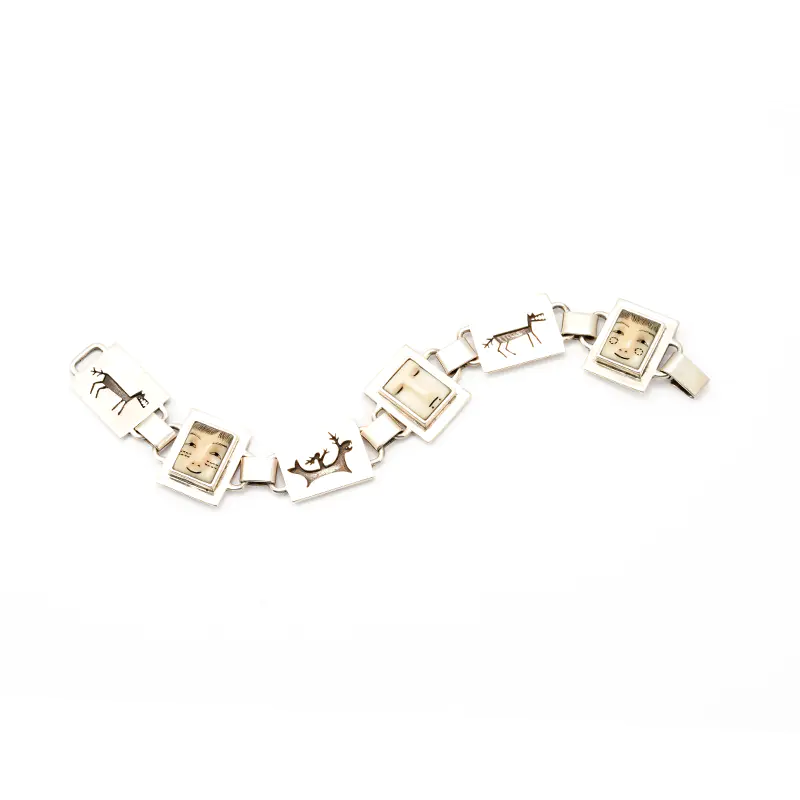
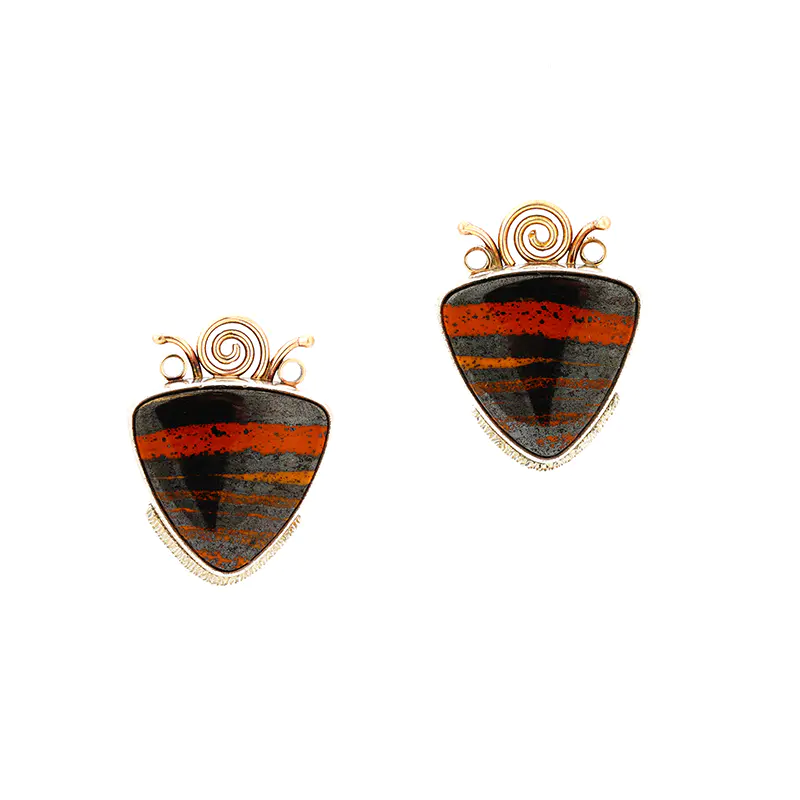


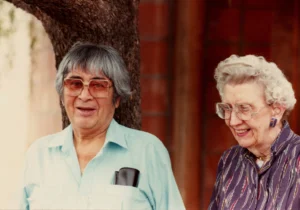
Charles Loloma was born in Hotevilla on Third Mesa of the Hopi Reservation on January 7, 1921. From 1941 to 1945, he served in the army, spending over three years in the Aleutians. Loloma married Otellie Pasivaya in 1942. After his discharge, they settled in Shipaulovi on the Second Mesa. In late 1945, the GI Bill allowed him to study ceramics at the School for American Craftsmen at Alfred University in Alfred, New York.
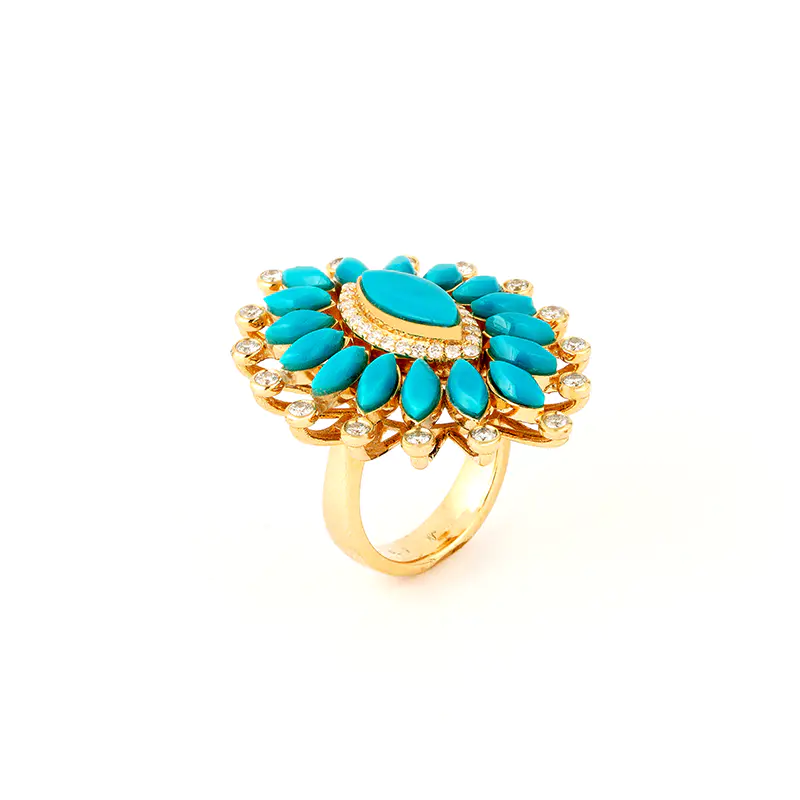
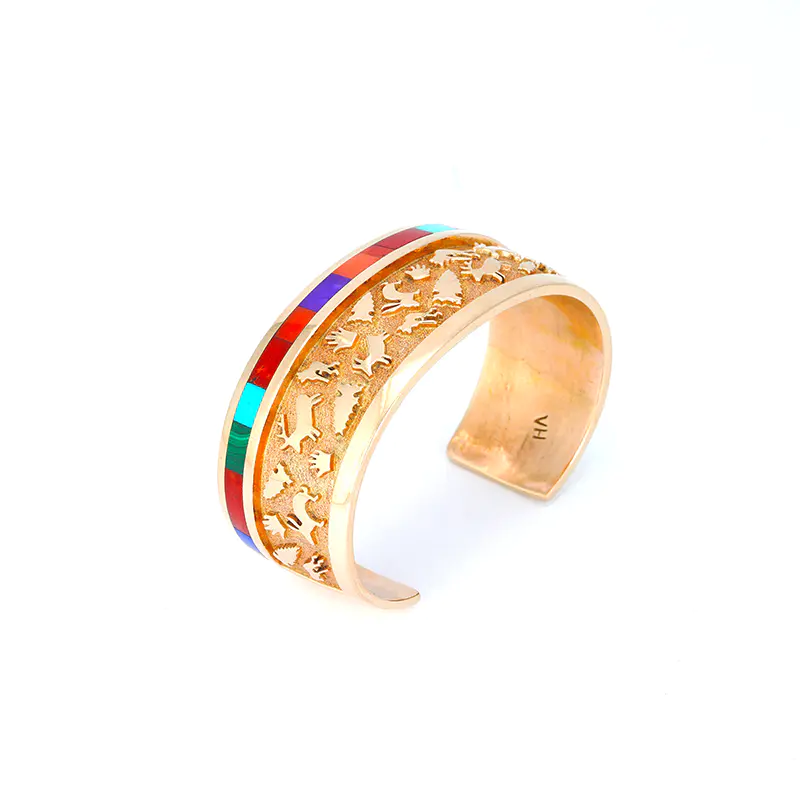
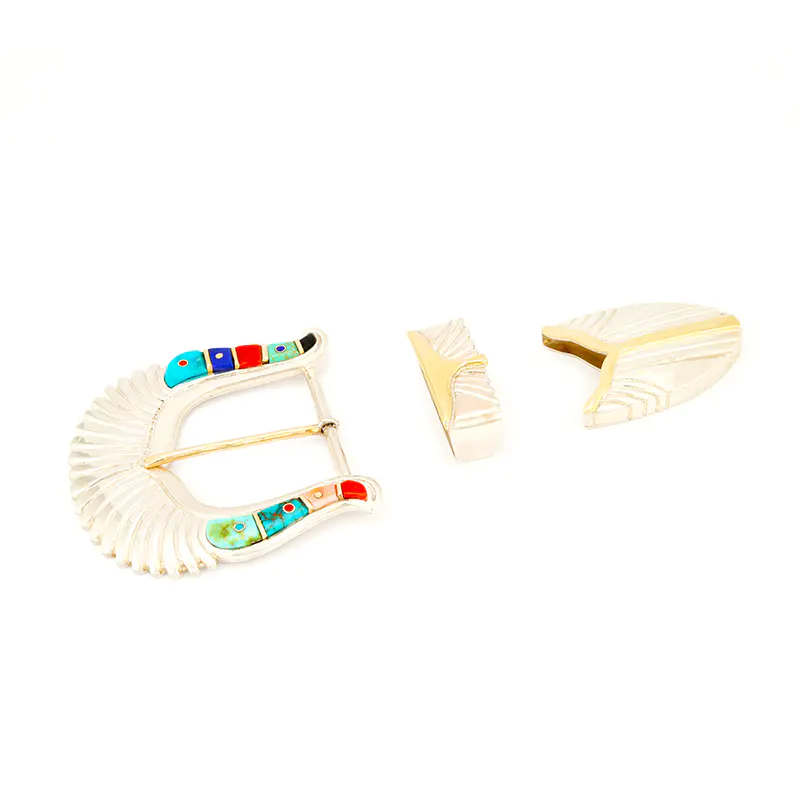
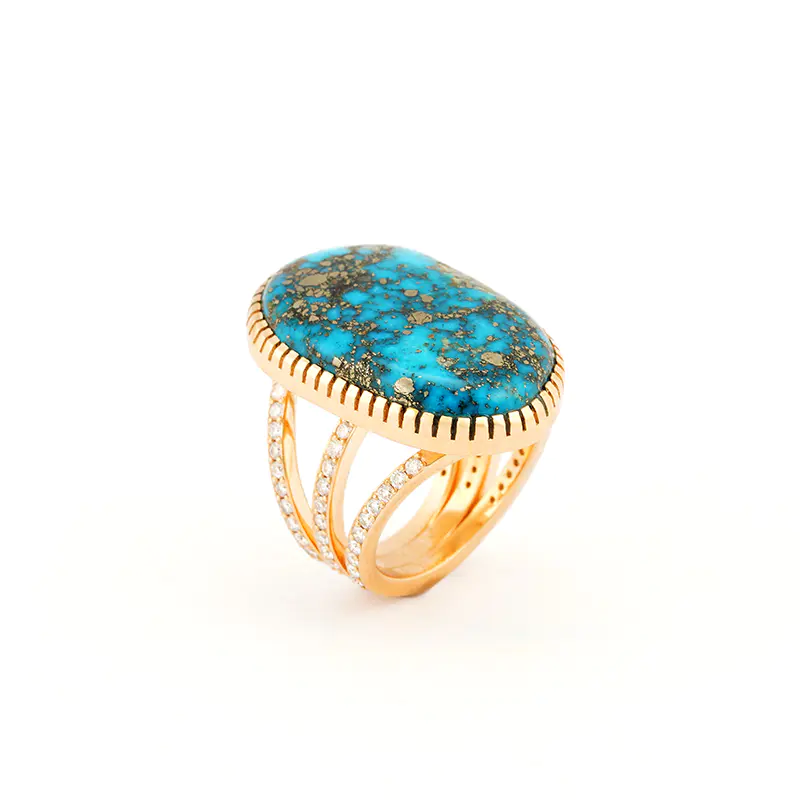
There, he received a fellowship from the Whitney Foundation for research in ceramics on the Hopi Reservation, where he worked on this project from 1949 to 1951. In 1954, he and his wife opened a pottery shop in Scottsdale, becoming the first tenants of the successful Kiva Craft Center, founded by Lloyd Kiva New. It was in 1955 that Loloma began turning his creative efforts toward jewelry, and gradually, this new art form took precedence over the famous pottery line of Lolomaware. During the six years he had the shop, he devoted his time to teaching at the University of Arizona, Tucson, Arizona State University in Tempe, and their summer extension courses in Sedona. In 1959, he took part in the initial conference that launched the Rockefeller Foundation’s Southwest Indian Art Project at the University of Arizona and was an instructor for its three succeeding summer sessions.
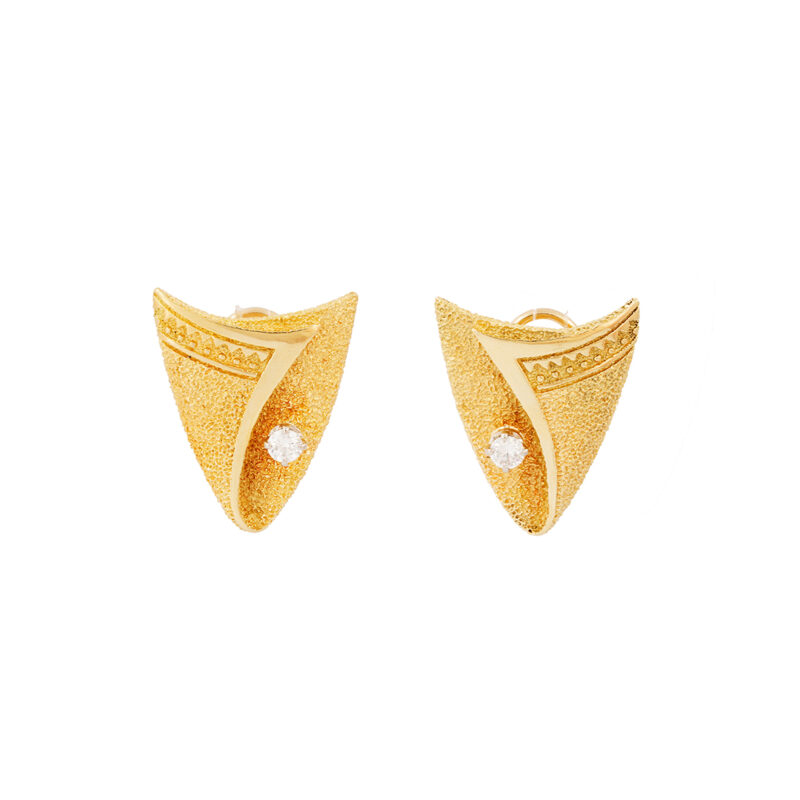
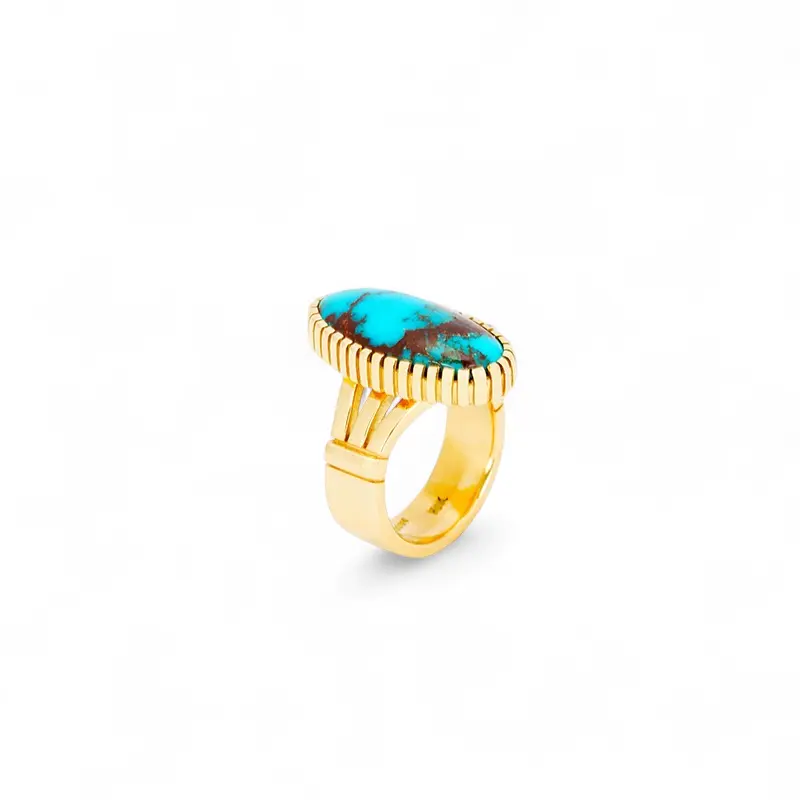
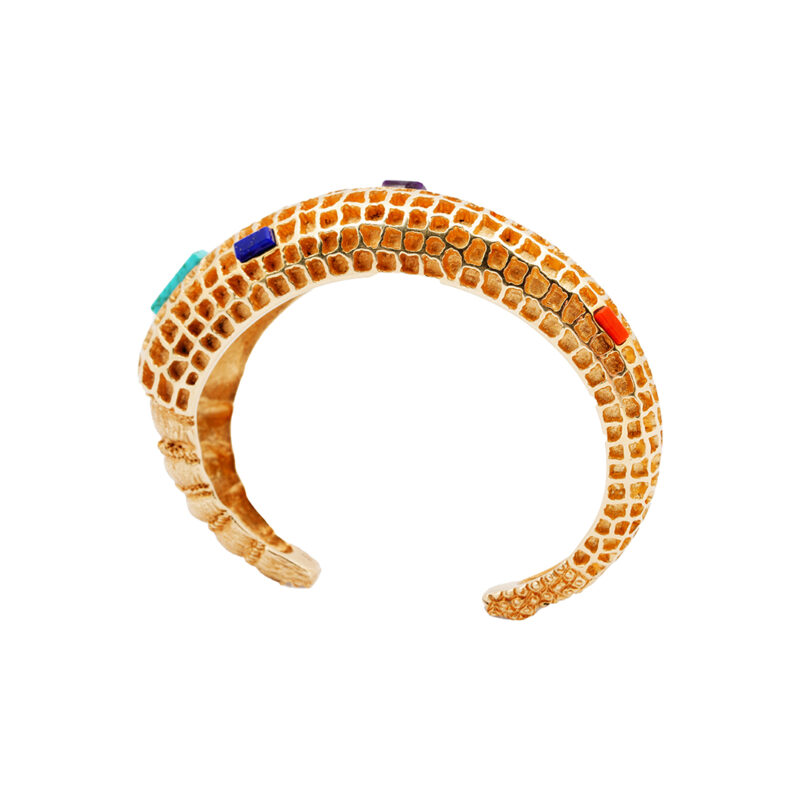
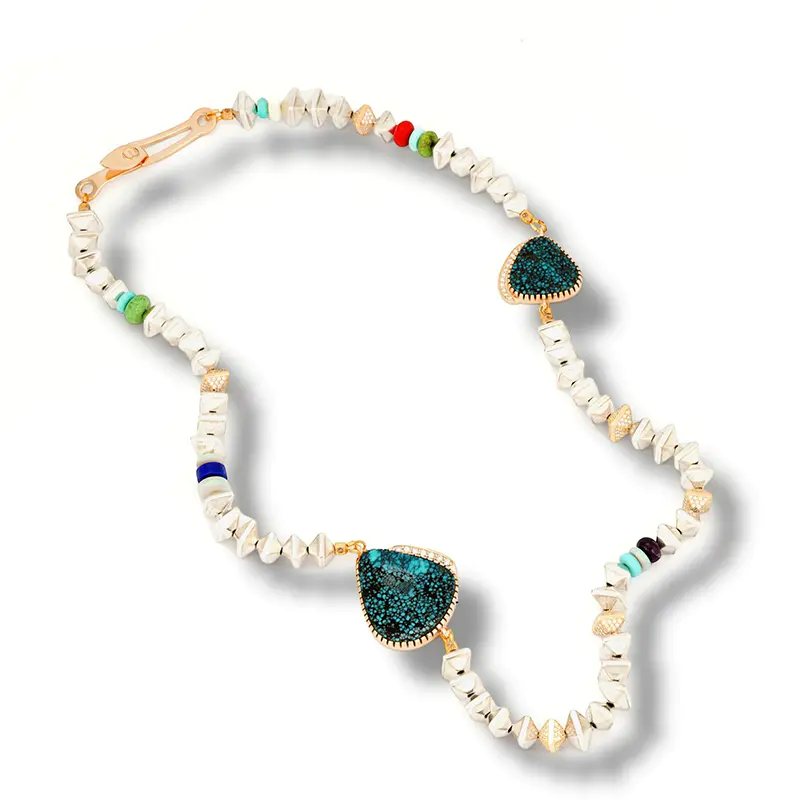
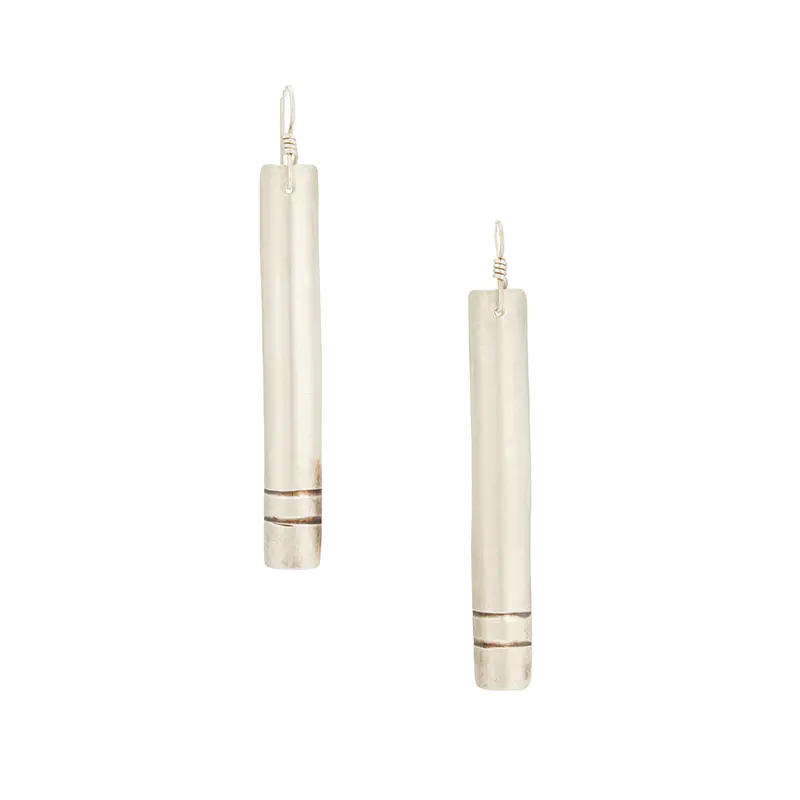
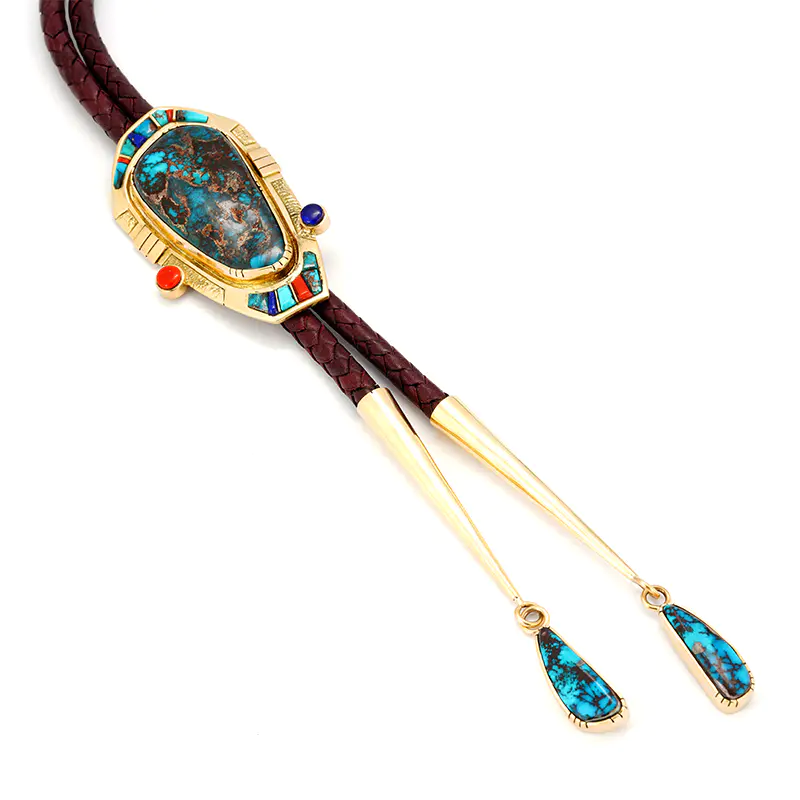
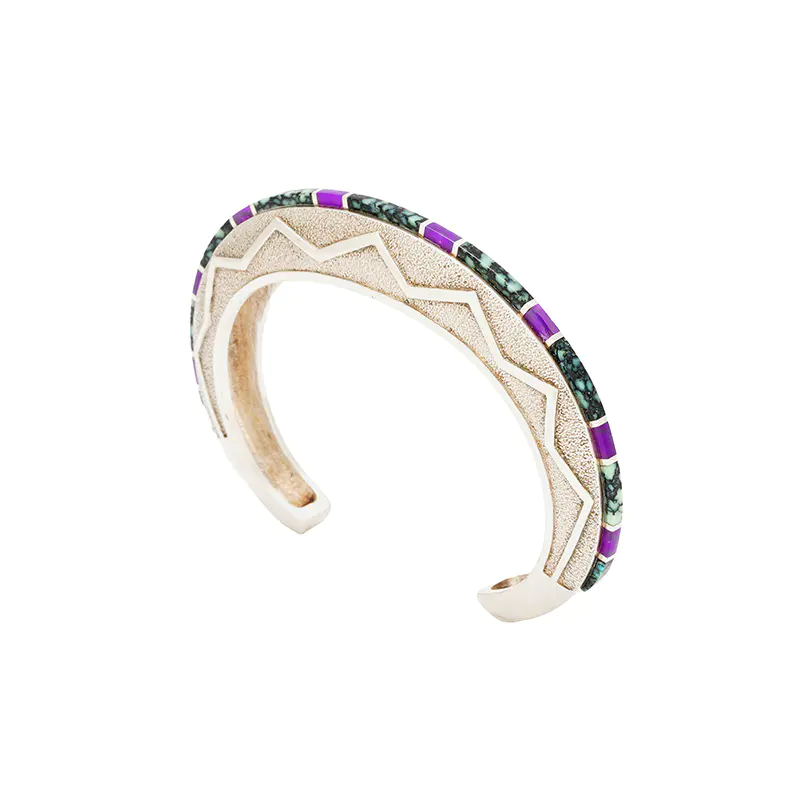
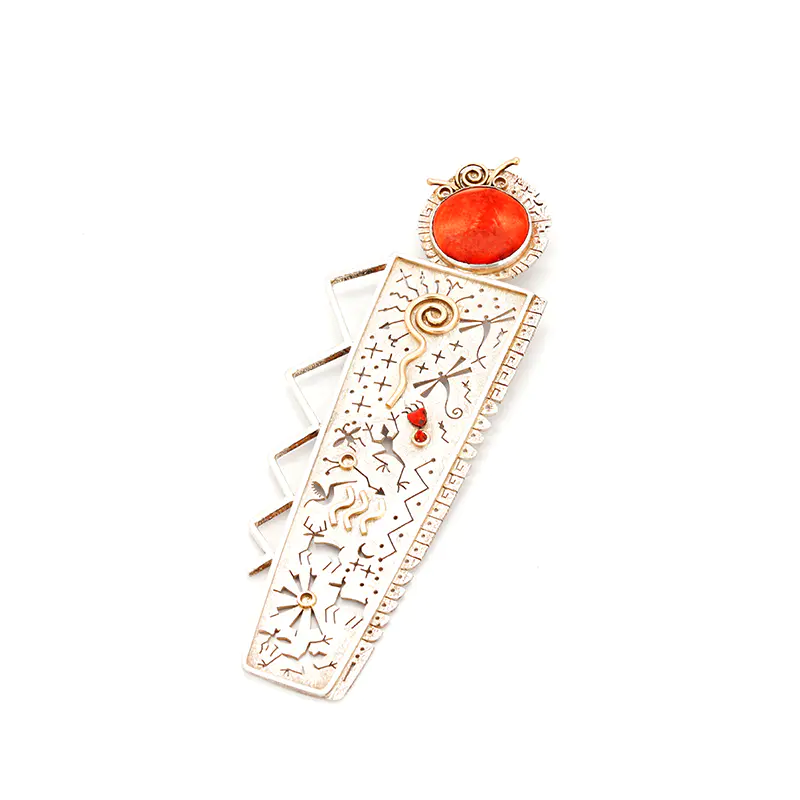
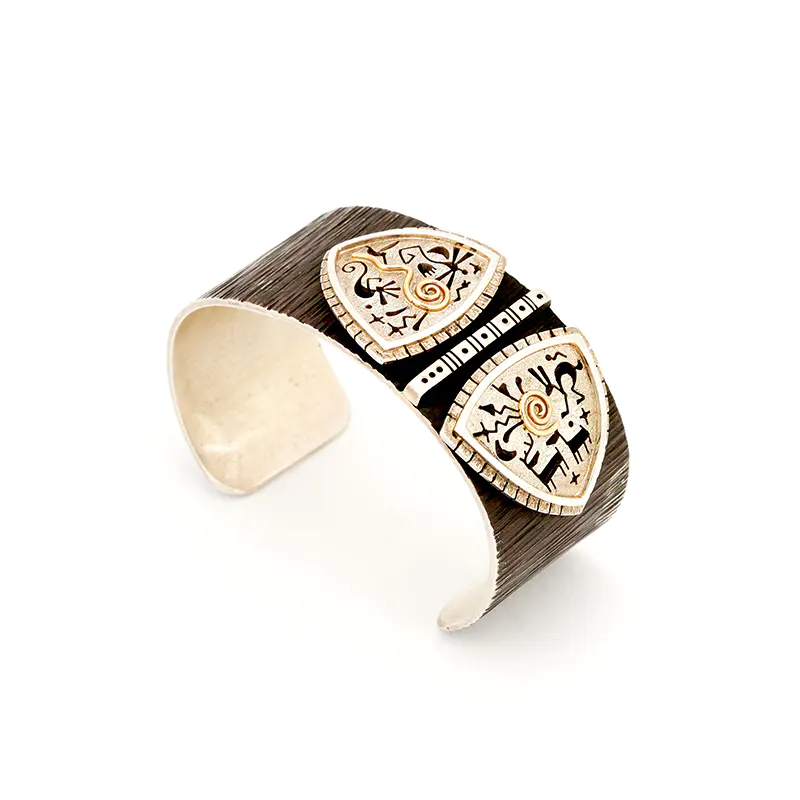
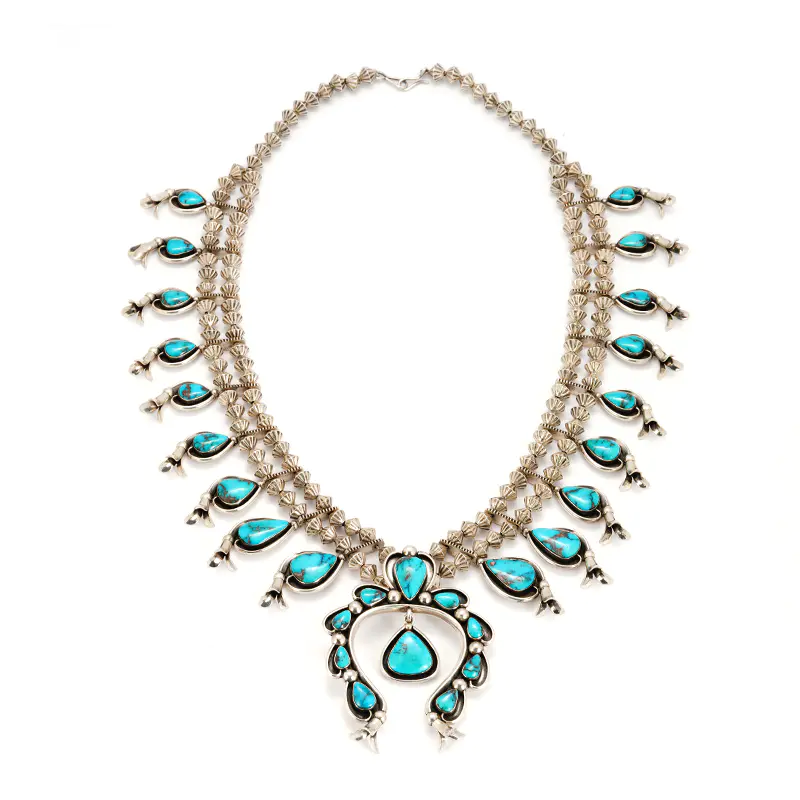
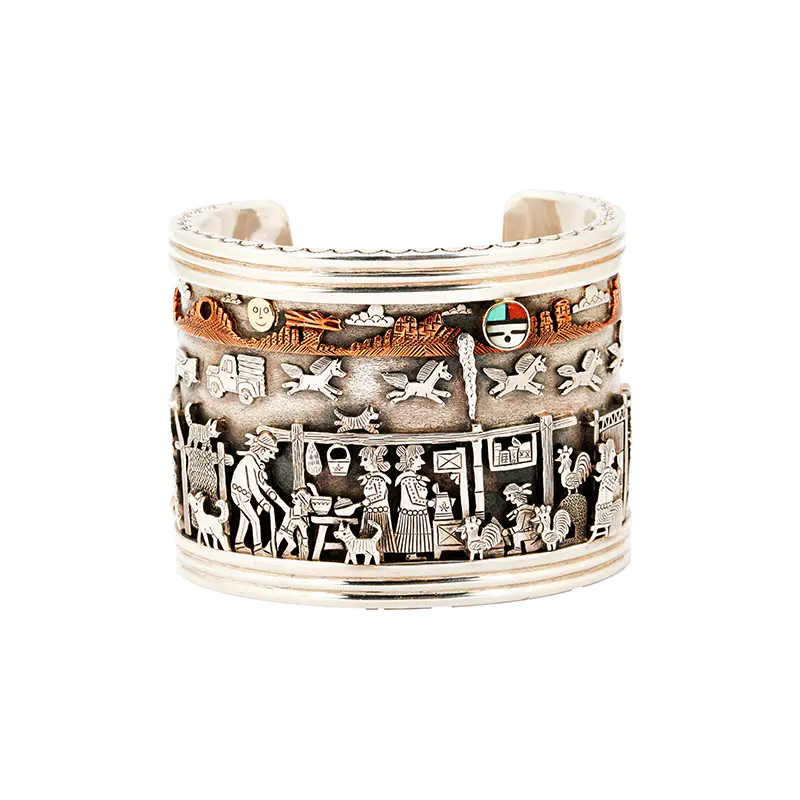
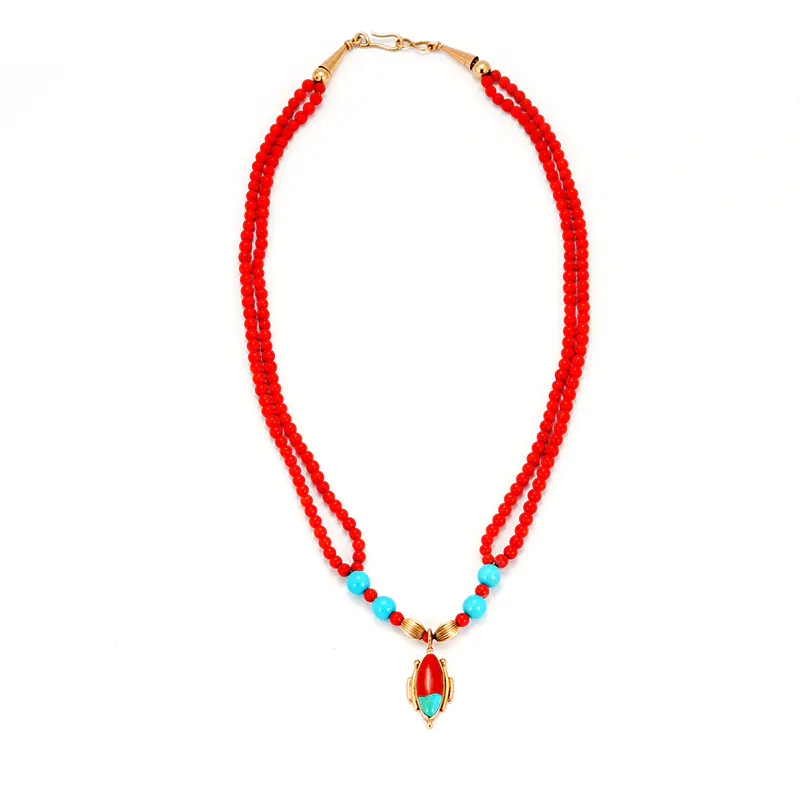
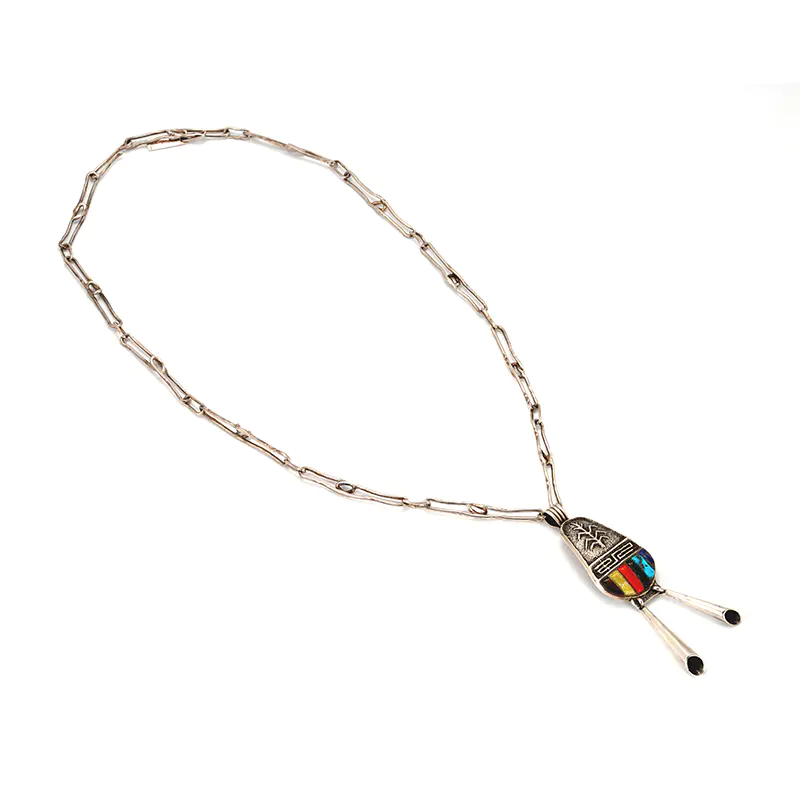
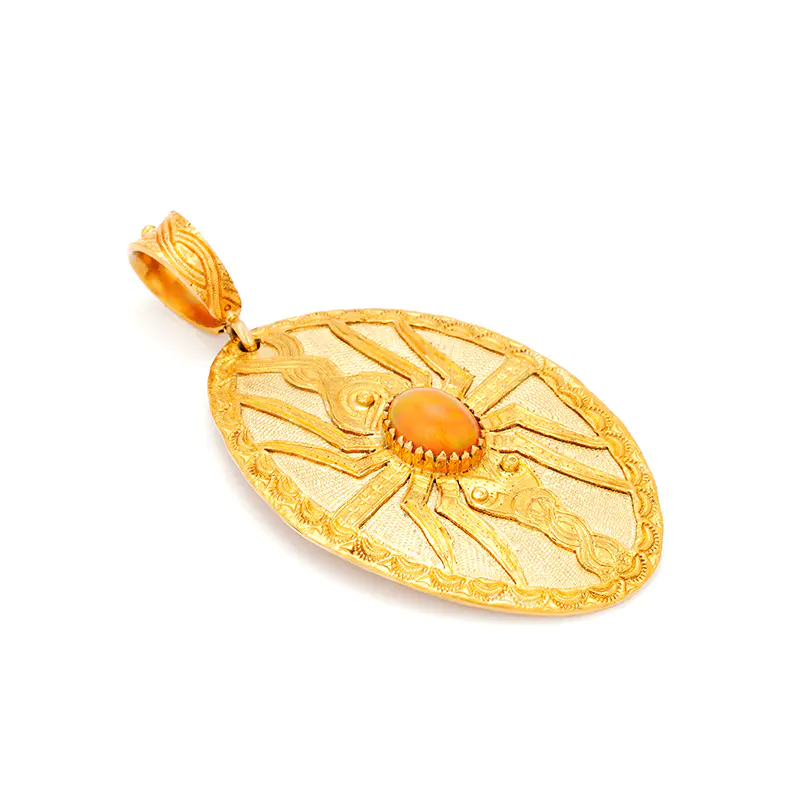
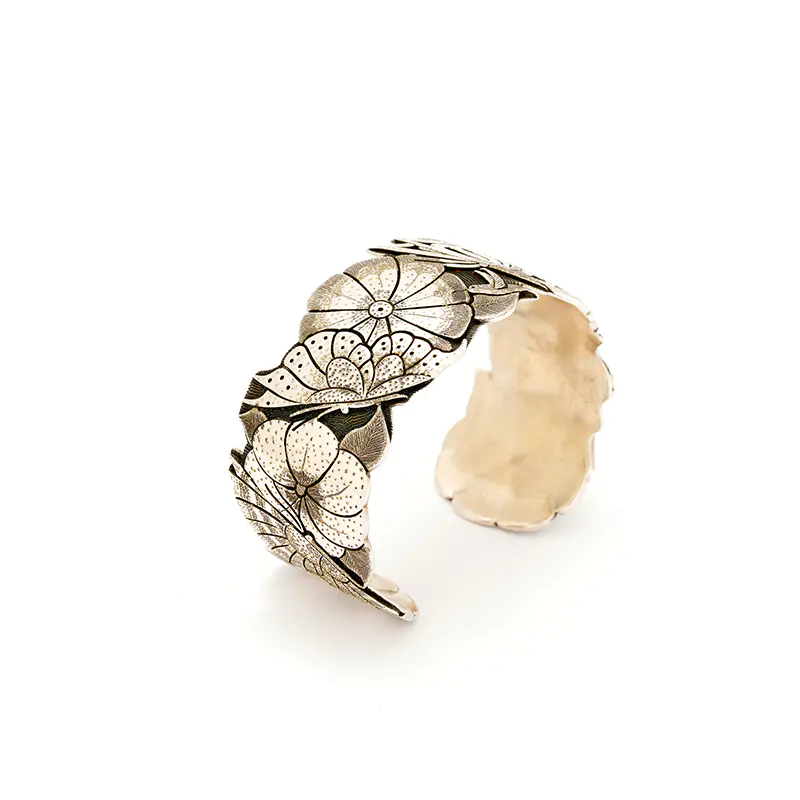
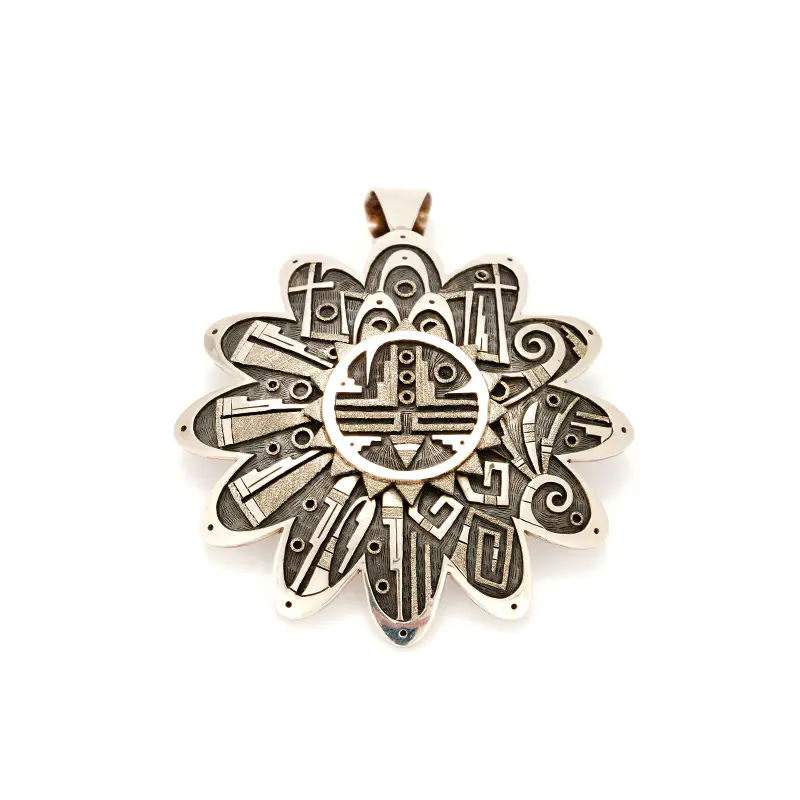
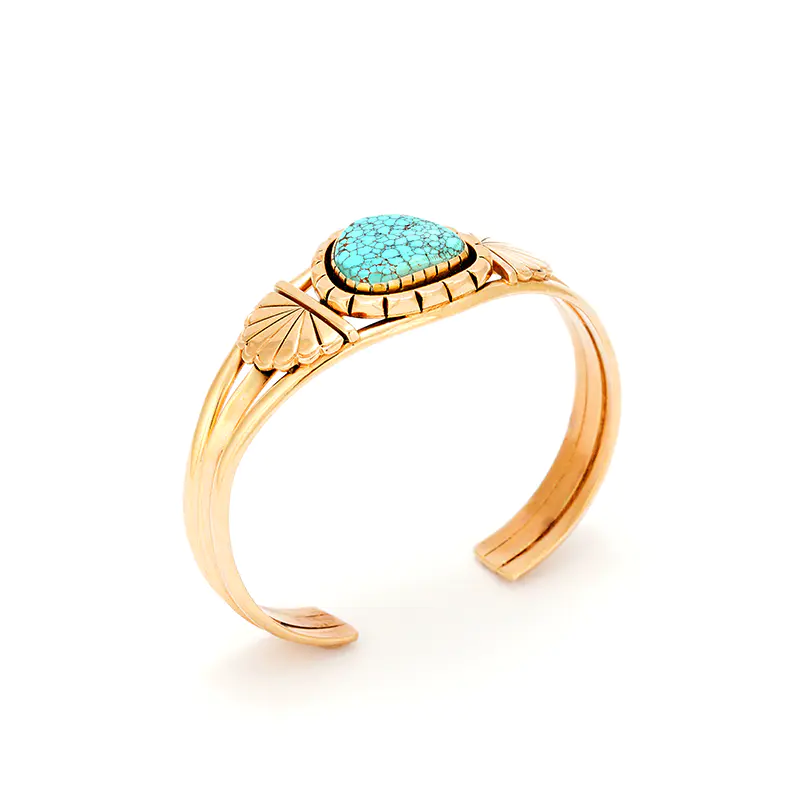
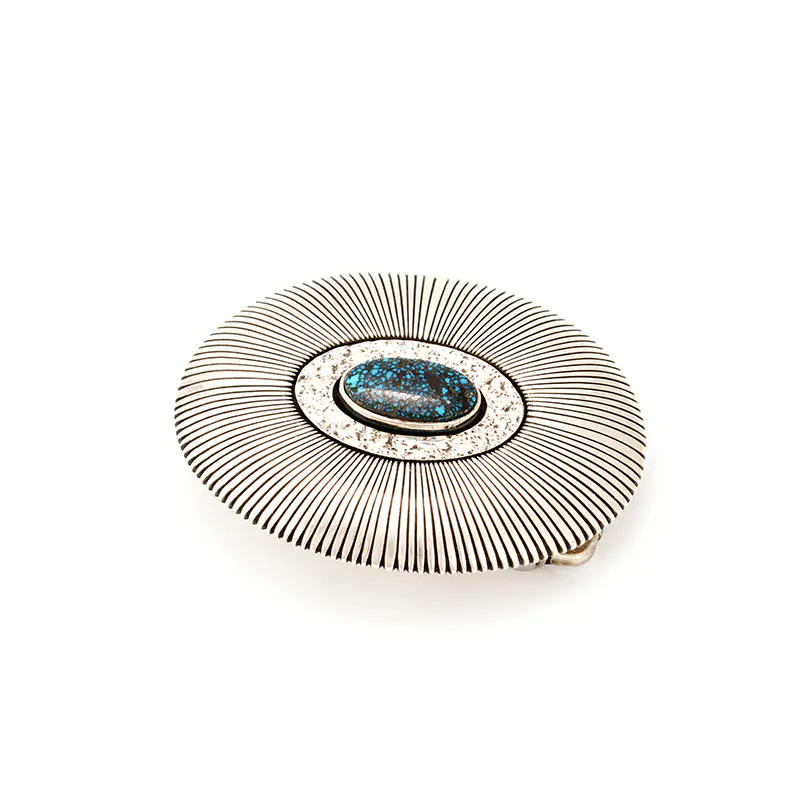
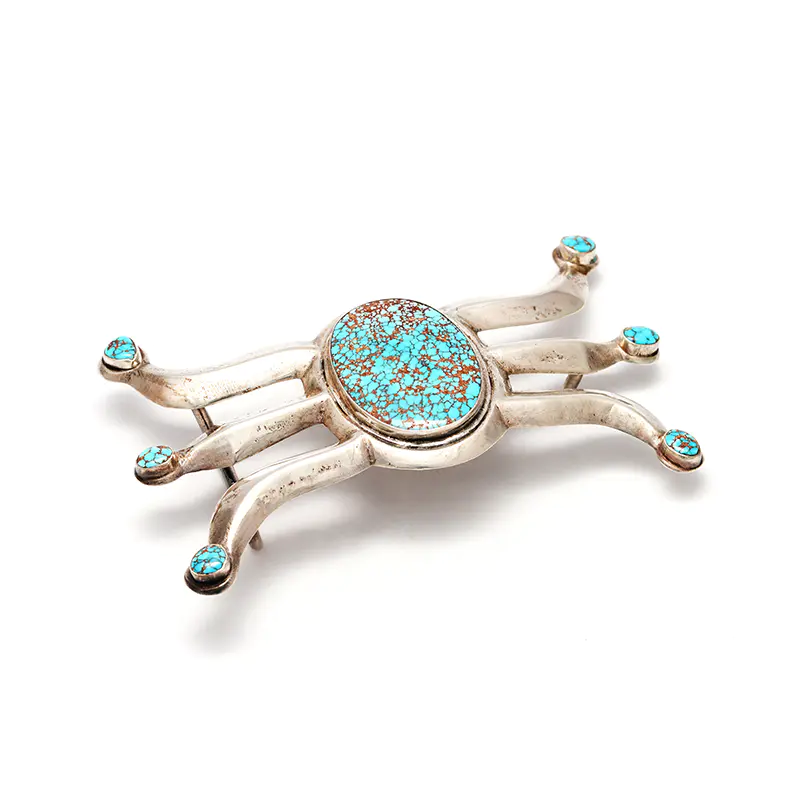
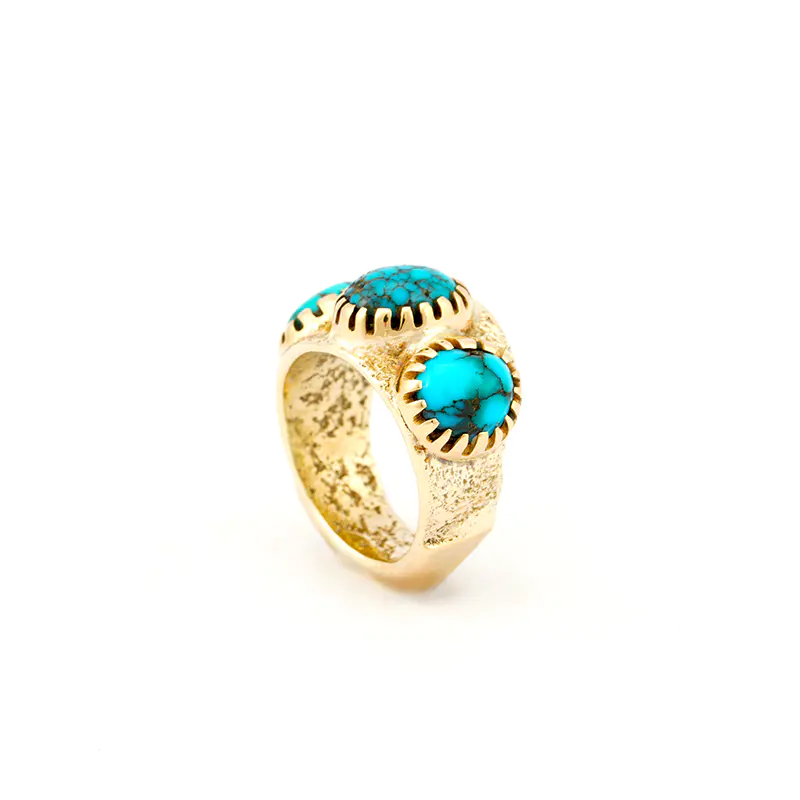
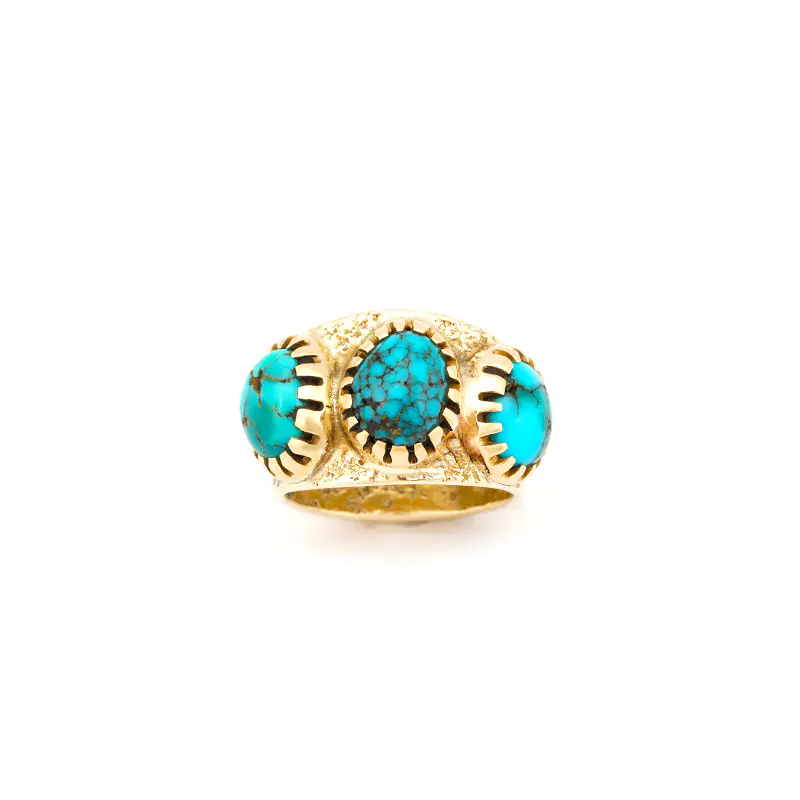
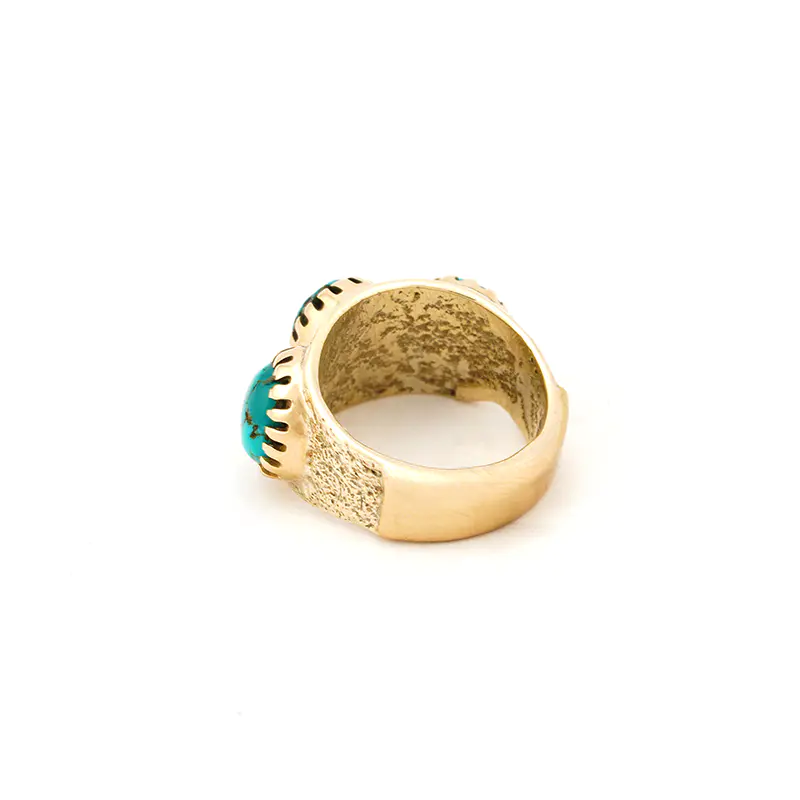
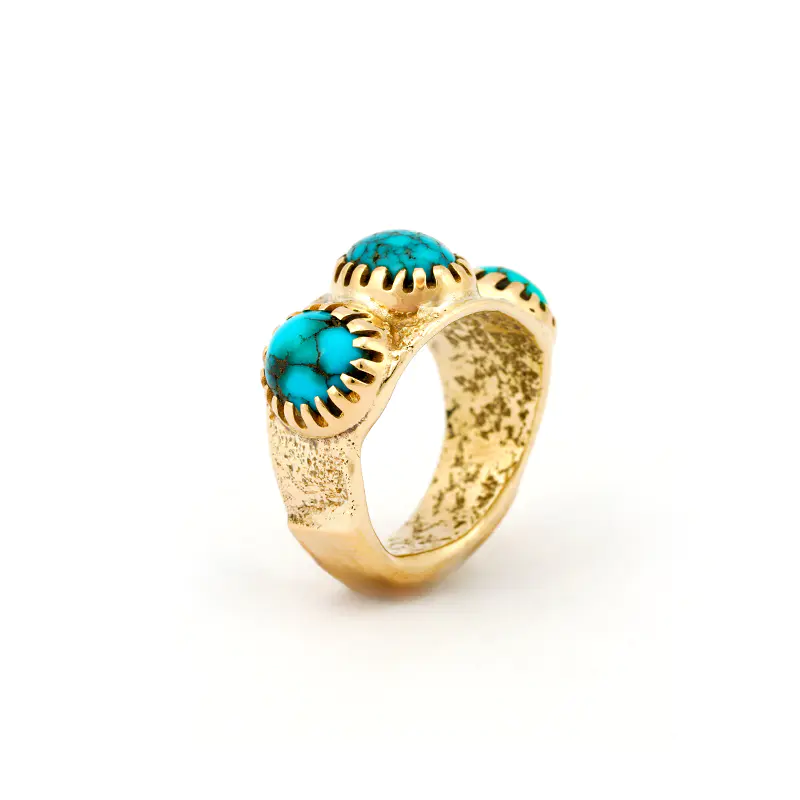
In 1962, with the founding of the Institute of American Indian Arts in Santa Fe came the realization of a long-time dream he had shared with Lloyd New, a school directed toward helping Indian students find an individual expression of their cultures through the arts. He and New were appointed heads of the Department of Plastic Arts and the Sales Department, where student work was sold. Loloma’s jewelry became internationally known, and pieces can be found in the collections of many distinguished persons, including Mrs. Dwight D. Eisenhower and Mrs. Frank Lloyd Wright. In the 1960s, President Lyndon B. Johnson commissioned pieces to be presented to the Queen of Denmark and the wife of the Philippine president. Loloma won the First Prize for seven years in the sixties at the Scottsdale National Indian Arts Exhibition. Loloma maintained a deep reverence for Hopi beliefs and ceremonies. He lived by the Hopi calendar, its cycles of birth, death, and regeneration. In autumn, the fields behind his studio were filled with ripening squash and melon, and on the crest behind it, he was found with relatives roasting corn to provide for the winter ahead.
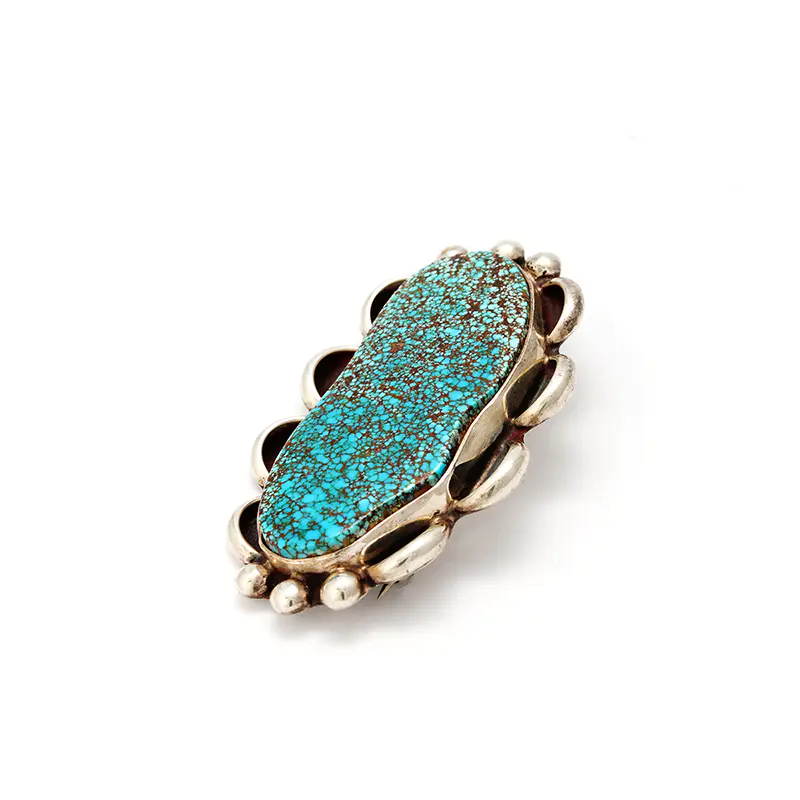
There is a seeming disparity between the humble life Loloma led and the sophisticated world in which he moved. He answered this: “We are a severe people and have tried hard to elevate ourselves, but in order to create valid art, you have to be true to yourself and your heritage.” His work deeply ingrained this philosophy, as he felt a strong kinship to stones, not just the precious and semi-precious stones he used in his jewelry but the humble stones he picked up randomly while on the hills or walking along the beach. He didn’t seek to conquer the stone, but on a hike throu to help it express itself. This personal connection to his art was a testament to his authenticity and the depth of his artistic vision. Charles passed away in 1991, leaving behind a legacy that inspires and captivates art enthusiasts and historians alike.