Whitehorse, Emmi – Painting “Study for – Mapping a Walk About”

$44,000.00

Emmi Whitehorse (Diné, b. 1957)
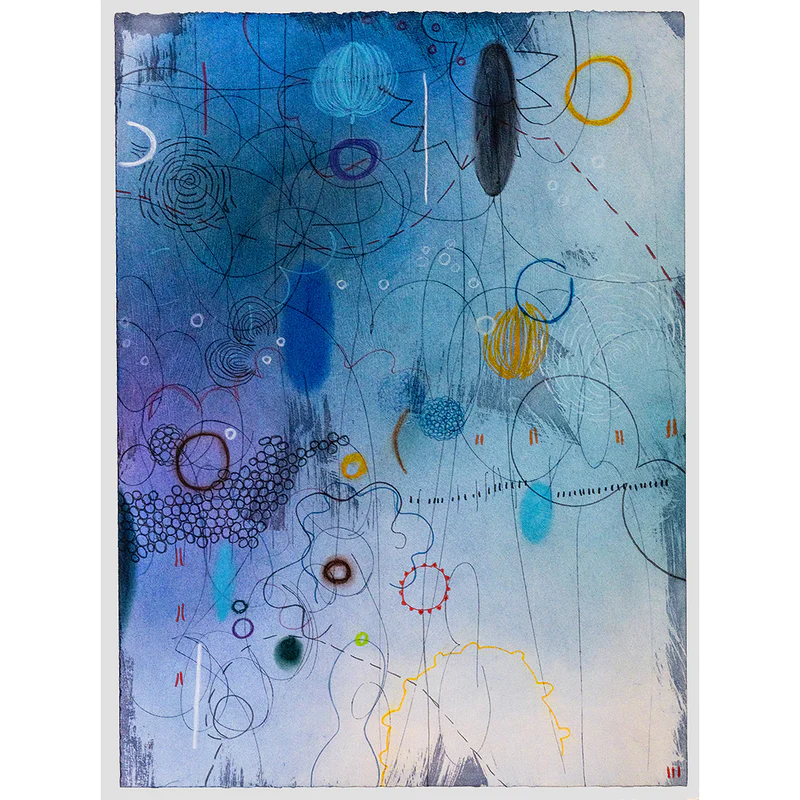
Study for – Mapping a Walk About, circa 2014
Mixed media on paper mounted on canvas
18″ W × 24″ H

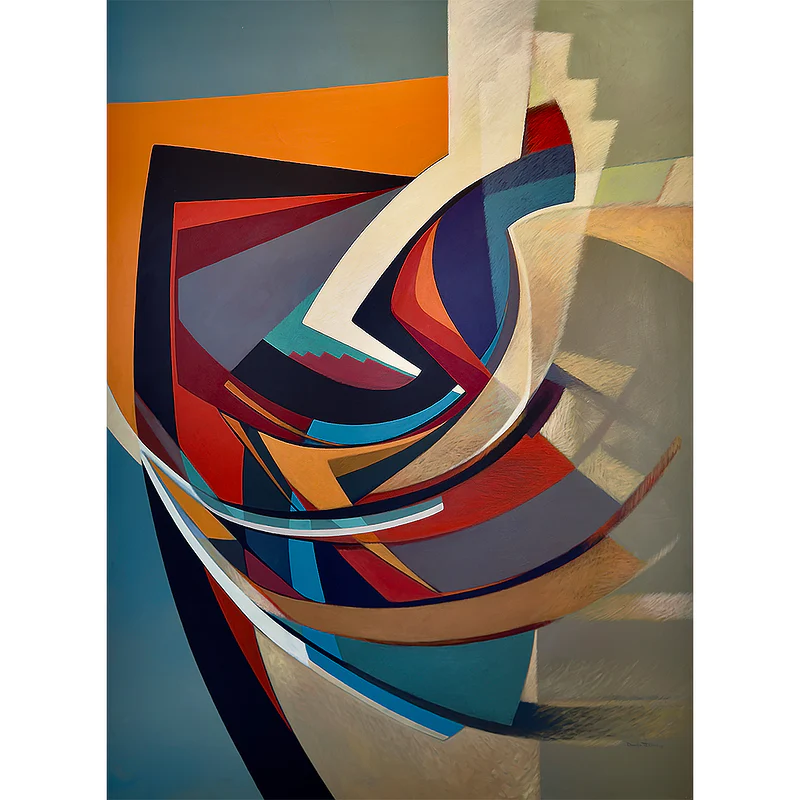
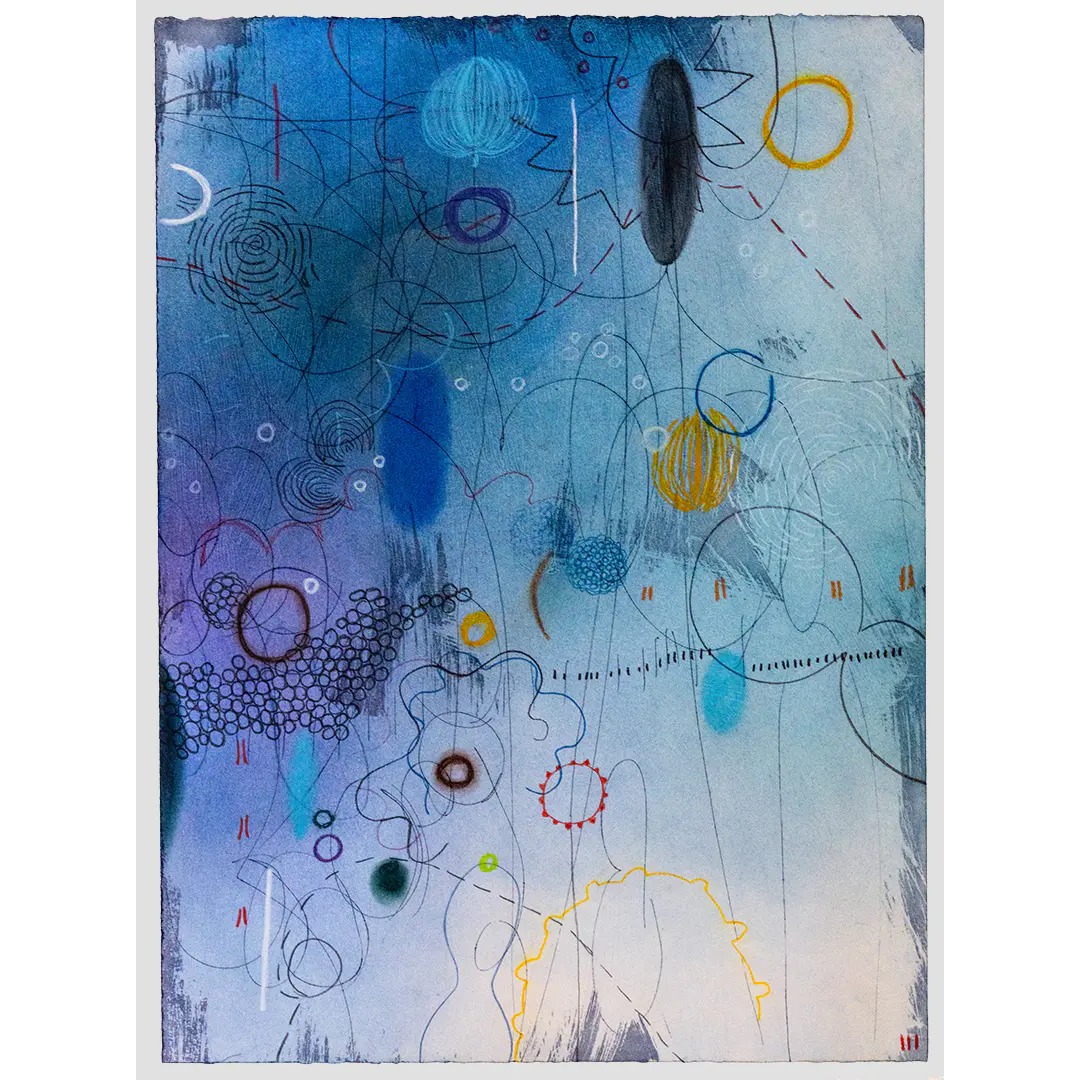
A soft abstract painting in shades of blue and violet, with drifting circles, spirals, and delicate lines that feel almost like a map. It has a calm, airy quality, suggesting motion, memory, and a gentle connection between the land and sky.

Out of stock


Emmi Whitehorse

b. 1957, Crownpoint, New Mexico  ·  Diné (Navajo Nation)

Emmi Whitehorse, a citizen of the Navajo Nation, has spent more than four decades translating the high desert of the American Southwest into a visual language entirely her own. Born in Crownpoint, New Mexico, she earned a Bachelor of Arts in Painting from the University of New Mexico in 1980 and returned for a Master of Arts in 1982, concentrating in Printmaking with a minor in Art History.

“My paintings tell the story of knowing land over time—of being completely, microcosmically within a place.”

— Emmi Whitehorse


Emmi Whitehorse (Diné, b. 1957)
Study for – Mapping a Walk About, circa 2014
Mixed media on paper mounted on canvas
18″ W × 24″ H


There’s a quiet pull to this painting. Whitehorse scatters a handful of small marks across it—seeds, curling tendrils, shapes that feel like plants half-remembered, the faint trace of something that moved through and kept going—and floats them in soft washes of color. You don’t so much look at a landscape here as remember what it felt like to stand in one.

She works slowly, by feel. Oil, pastel, chalk, graphite—she smears the color in with her hands, then draws back into it with fine, deliberate lines pulled from a vocabulary of symbols. Your eye just wanders, which is the point. You make your own way across it like a map you are studying.

That’s what the title is getting at—a walk about, a wander through country she carries in memory. The way light changes when clouds roll in and move on. The color of the sun coming up or going down. The small busy life of plants and animals most people never slow down enough to notice. Running underneath all of it is Hózhó, the Diné idea of living in balance and beauty with the world around you.

What makes a study like this special is that it’s the artist thinking out loud. It’s where the ideas get worked out before they grow into the large paintings she’s known for. You get all of her sensibility at a size that fits a real wall in a real home—from an artist whose work hangs in the Whitney, the National Gallery of Art, the Brooklyn Museum, and Crystal Bridges, and who showed at the Venice Biennale in 2024.

How to Measure a Painting for Your Space

Before purchasing a painting, measure the width and height of the wall area where you plan to place it. Also note any nearby furniture, windows, doorways, or architectural features that may affect how the work fits visually.

If the painting will hang above a sofa, bed, console, or mantel, measure the furniture as well. A common design guideline is to choose artwork that is about two-thirds to three-quarters the width of the furniture below it, though this can vary depending on the look you want.

Be sure to review the painting’s full dimensions, including the frame and depth, since these affect how much space the piece will occupy. To help visualize the scale, mark the artwork’s dimensions on the wall with painter’s tape.

When hanging the work, a common starting point is to place the center of the painting around 57 to 60 inches from the floor, adjusting as needed for furniture placement, ceiling height, and the proportions of the room.

If you are local to Santa Fe or Scottsdale, we are happy to assist with delivery and place the painting in your home so you can see how it looks in the space. This allows you to experience the scale, presence, and placement of the work before making your final decision.